


Zhannatbek Zhangabylov’s Four Principles of Mentoring
Zhannatbek Aipovich Zhangabylov has now worked for a symbolic 33 years in the Almaty energy sector. Like many specialists at AlES JSC, he rose through the ranks from apprentice and worker in the electrical workshop at CHPP-2 to shift supervisor in the power station workshop.

But even decades later, he remembers the start of his career, his colleagues and mentors who helped him overcome difficulties and become a true professional, having mastered all the secrets of his trade.
“I started working in the electrical workshop of TPP-2 at the Almaty TPP-2 in 1991 after graduating from the Almaty Energy Technical College. I was taken on to the team responsible for repairing cable lines and lighting equipment”, recalls Zhanatbek Aipovich. “My first mentor was Sergei Kloster, the foreman of the electrical workshop, under whose guidance I began my career at the power plant. I then worked as an electrician repairing 0.4 kV and 6.3 kV electric motors, as an electrician repairing 6.3/10.5/110 kV circuit breakers, and as a foreman in the electrical workshop. In 2003, I moved to shift work as part of the operational staff. Having worked for a long time – from 1991 to 2024 – at CHPP-2, I have acquired theoretical and practical skills.
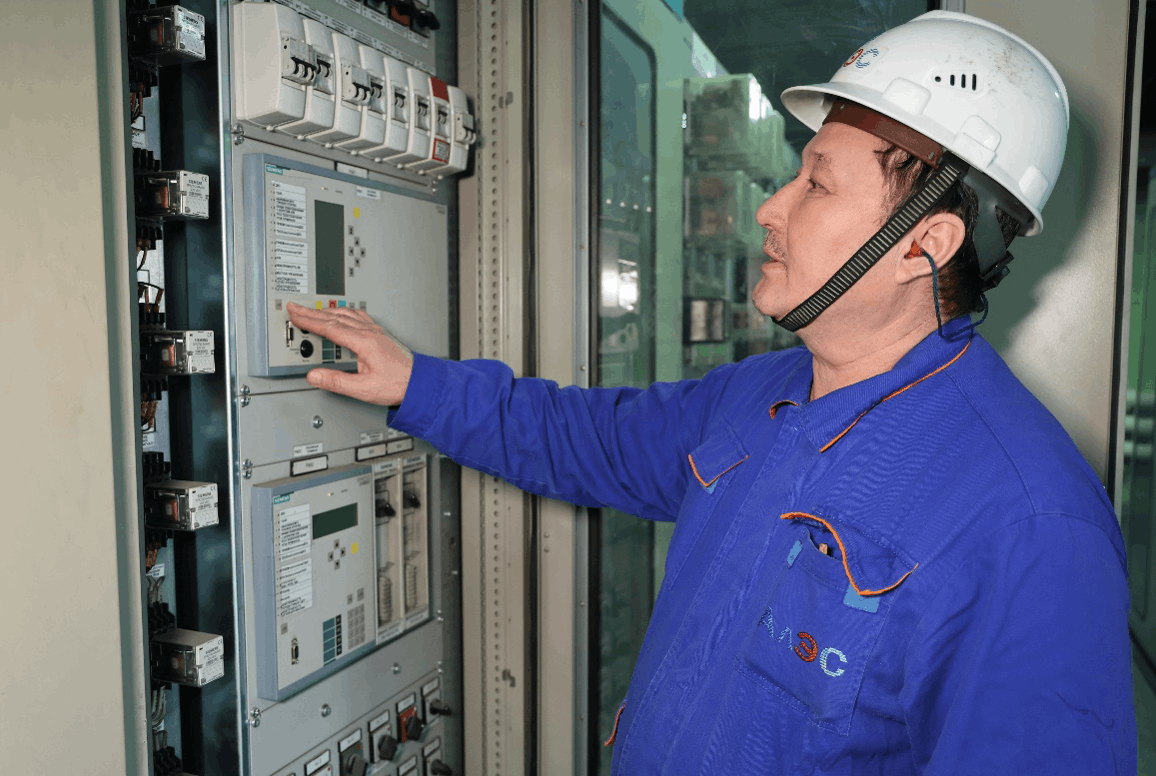
As we grow older, we all understand very well what an invaluable asset knowledge is, and how important it is to share it with those who are younger, who work alongside us, on whom we can rely in routine or emergency situations, and to whom we can entrust the work of our lives without worry. For this reason, the question of passing on knowledge and experience to younger colleagues was a matter of course for Zhannatbek Aipovich – he considered it his duty to pass on the baton he had received from his mentors. It was precisely the knowledge he had gained, and the example set by his mentors and teachers, that shaped his conviction that experience must be shared with young professionals. Educational institutions, of course, play a major role in forming the theoretical foundation and basis of the profession, but skills, work discipline and responsibility, and the ability to make sound decisions in practice are imparted by a master of the profession, a mentor – specifically in the workplace.
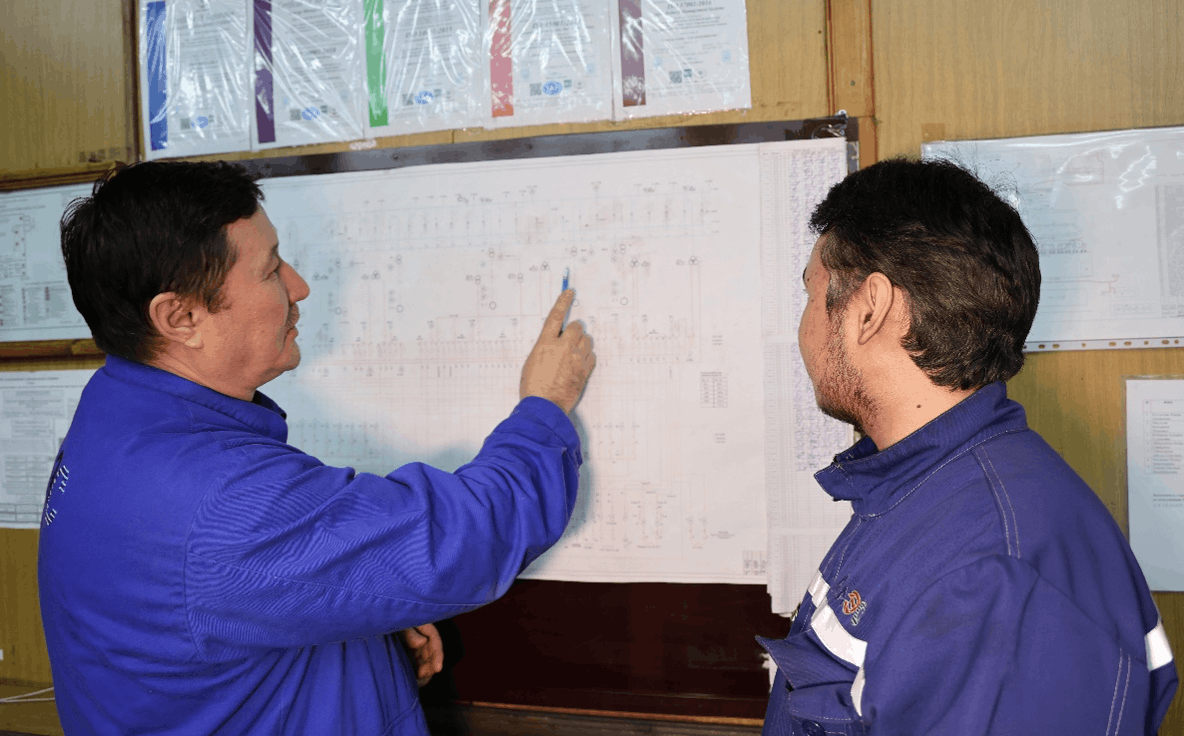
“A mentor is not simply an experienced specialist who passes on knowledge. They are a person who influences the professional and personal development of their mentees,” says Zhanatbek Zhangabylov. “To be an effective mentor, it is important to possess a number of qualities. Firstly, a mentor must be aware of the significance of their role and understand that the future of young professionals depends on their approach. They are responsible for passing on not only professional knowledge, but also values that will help them in their careers and lives. Secondly, they must be communicative and able to convey complex ideas in simple, clear language. This is one of the key qualities of a mentor. It is important to be able to find common ground with mentees. Thirdly, openness to new ideas and learning. An effective mentor must not only pass on their knowledge but also be ready to learn new things. Continuous development and flexibility help them stay relevant in their profession and teach young professionals modern approaches. Fourthly, responsibility. For me personally, mentoring is, above all, a responsibility to pass on not only knowledge but also the experience I have accumulated over the years. Mentoring is an opportunity to help young professionals settle into their profession more quickly, avoid the mistakes I once made myself, and teach them to find optimal solutions in complex situations”.
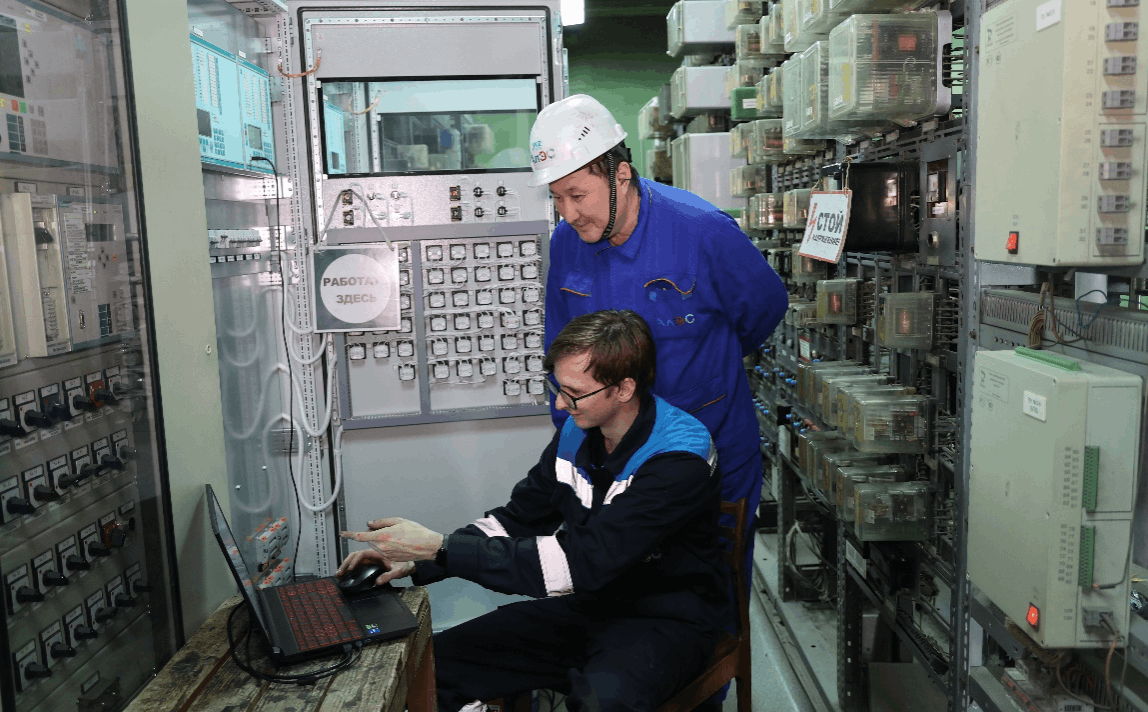
The expert craftsman is convinced that mentoring is a mutually enriching process, equally valuable for both the mentee and the mentor. He is certain that the benefits of mentoring are immense.
“For young professionals, it is a chance to gain practical skills, advice and support from more experienced colleagues, which accelerates their professional growth”, argues Zhannatbek Aipovich. “Mentors, in turn, also learn a great deal from their mentees. They gain a new perspective, fresh ideas emerge, and a modern approach takes shape, which often, thanks to interaction with young people, helps them see familiar tasks from a different perspective”.
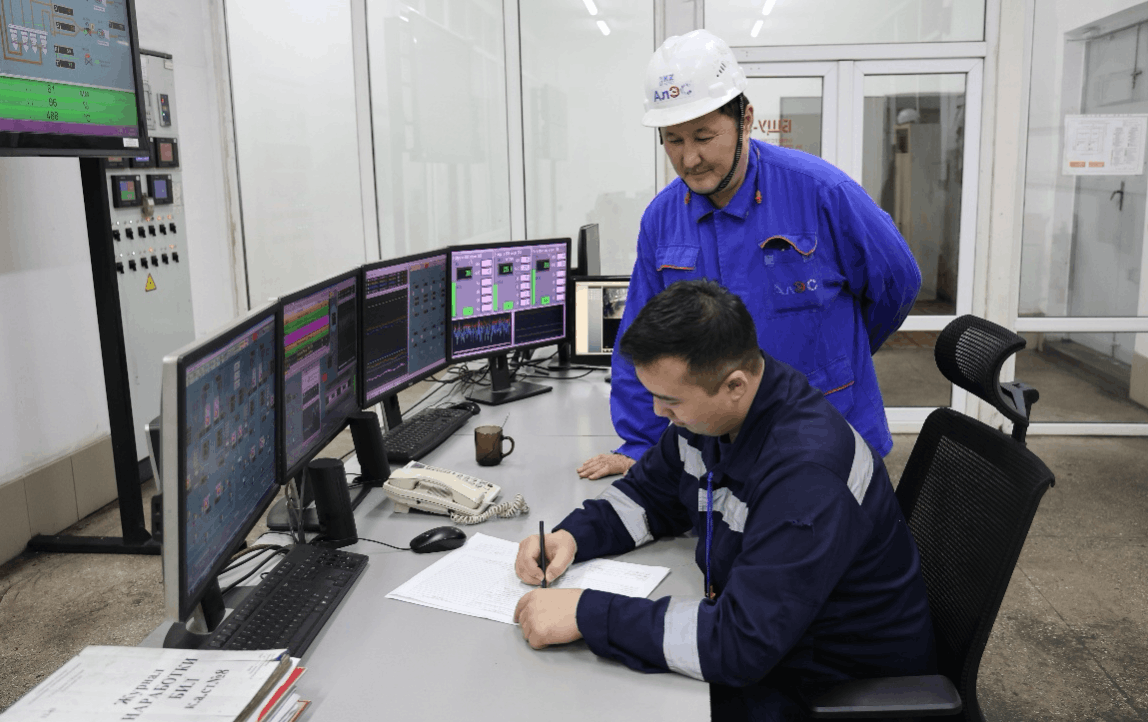
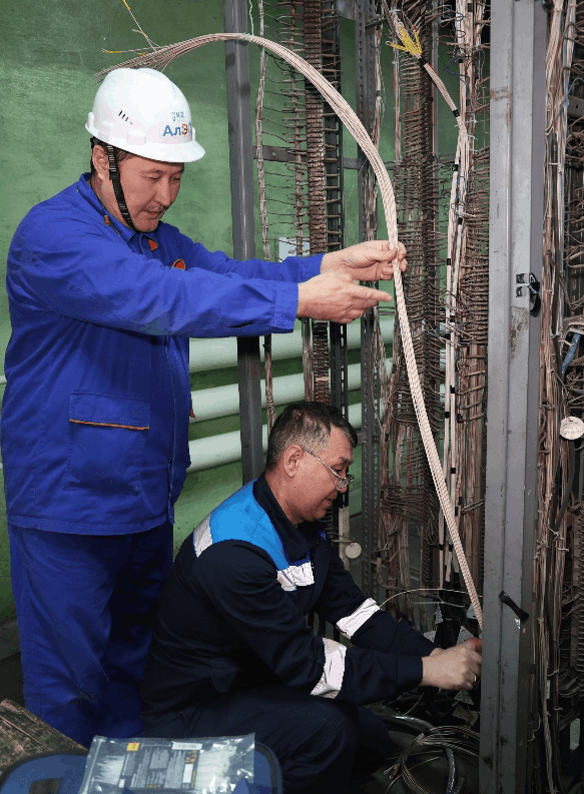 There is no doubt that the training process is no easy ‘stroll’ into the profession. In addition to imparting knowledge, it is important – indeed, essential – to teach, first and foremost, adherence to safety principles, responsibility and mutual support. And this is not the easiest part of the training.
“The difficulty in training a young specialist lies in teaching them safe working practices, as electric current does not tolerate oversights or mistakes, – says the mentor. – Well, the most interesting moments in this job come when new innovative technologies are introduced, and you and your colleagues start to master completely new equipment. There’s a real sense of excitement during this period. After all, at this stage you’re not only mastering technical innovations, but also facing challenges that require deep immersion, problem-solving and knowledge-sharing with the team. It is a process that stimulates professional growth, improves skills and opens up new horizons for the further development of both individual employees and the organization as a whole”.
But Zhannatbek Zhangabylov prefers to talk not so much about the difficulties, which can be overcome, but about the benefits and values of mentoring. He is convinced there are more of the latter.
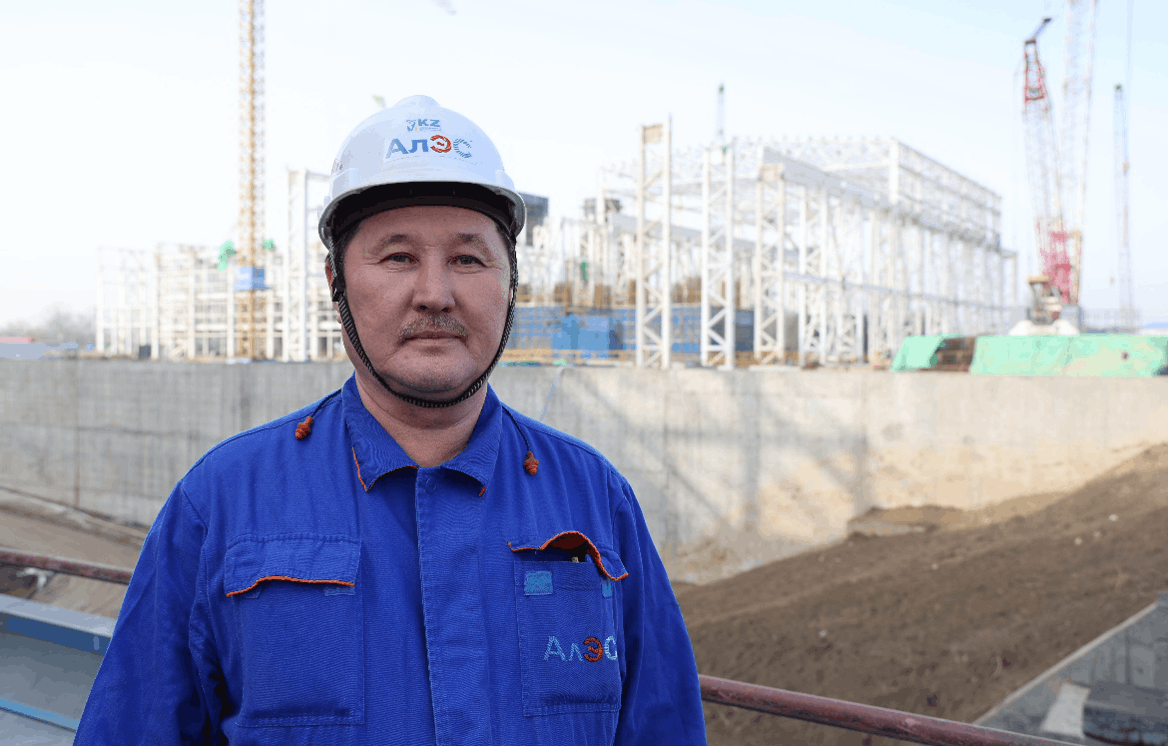
“The value of mentoring is particularly evident when you observe the younger generation, who strive to constantly improve their skills and knowledge, never content with what they have achieved. Seeing how they persistently move forward, overcoming difficulties and constantly growing. It is inspiring”, admits the foreman. “In such cases, mentoring becomes not merely the transfer of experience, but also a powerful stimulus for their further development”.
Having worked for over thirty years at CHPP-2, starting my career as a young specialist and now serving as a mentor to new generations, I watch with pride as these young, determined, educated and technically proficient professionals go about their work.
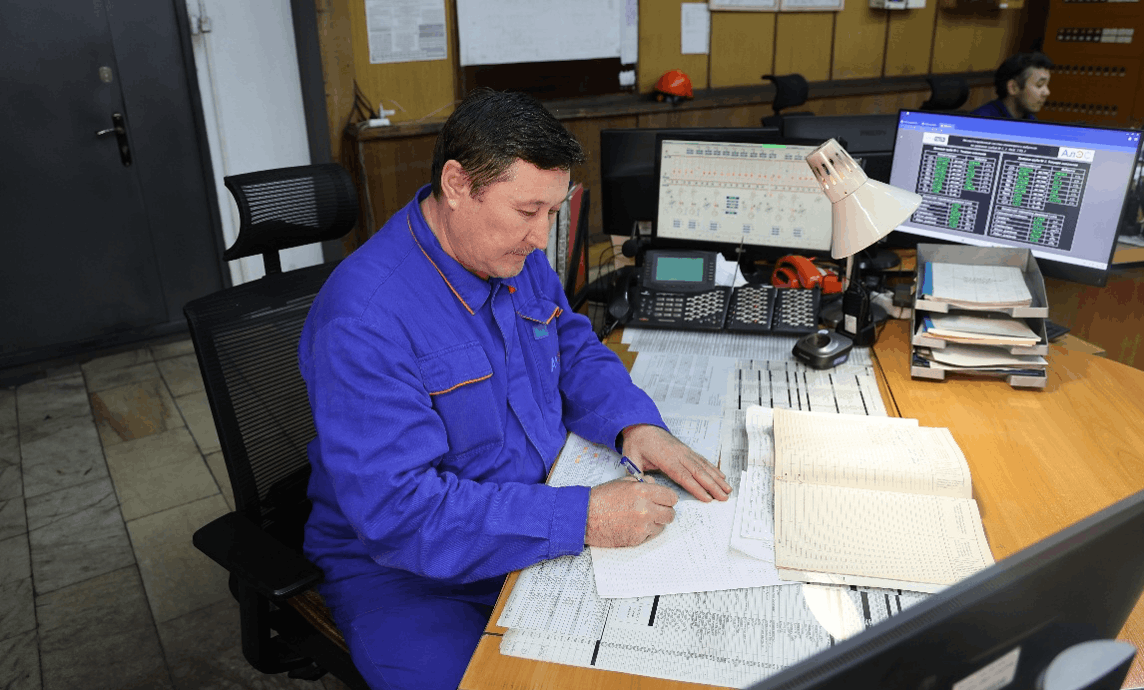
Among his proteges, who are a source of professional pride for him, the mentor names Abzal Baibosyn, Bauyrzhan Bekturganov and Daniyar Abulgazin.
“Highlighting these young people, I think about how many such specialists are working in the energy sector across Kazakhstan! This inspires confidence in the future of Kazakhstan’s energy sector. Seeing their drive and professionalism, I am delighted to realise that it is precisely such competent staff who are working in our energy sector today, and they will continue to develop it in the future,” concludes Zhanatbek Zhangabylov.