


Pick up the receiver – history will answer
Today, most young people have never held a rotary dial telephone. To them, it is merely a museum exhibit or a prop from old films. However, at the Sh.Chokin Kapshagai HPP, such devices continue to fulfill their primary purpose: connecting people.
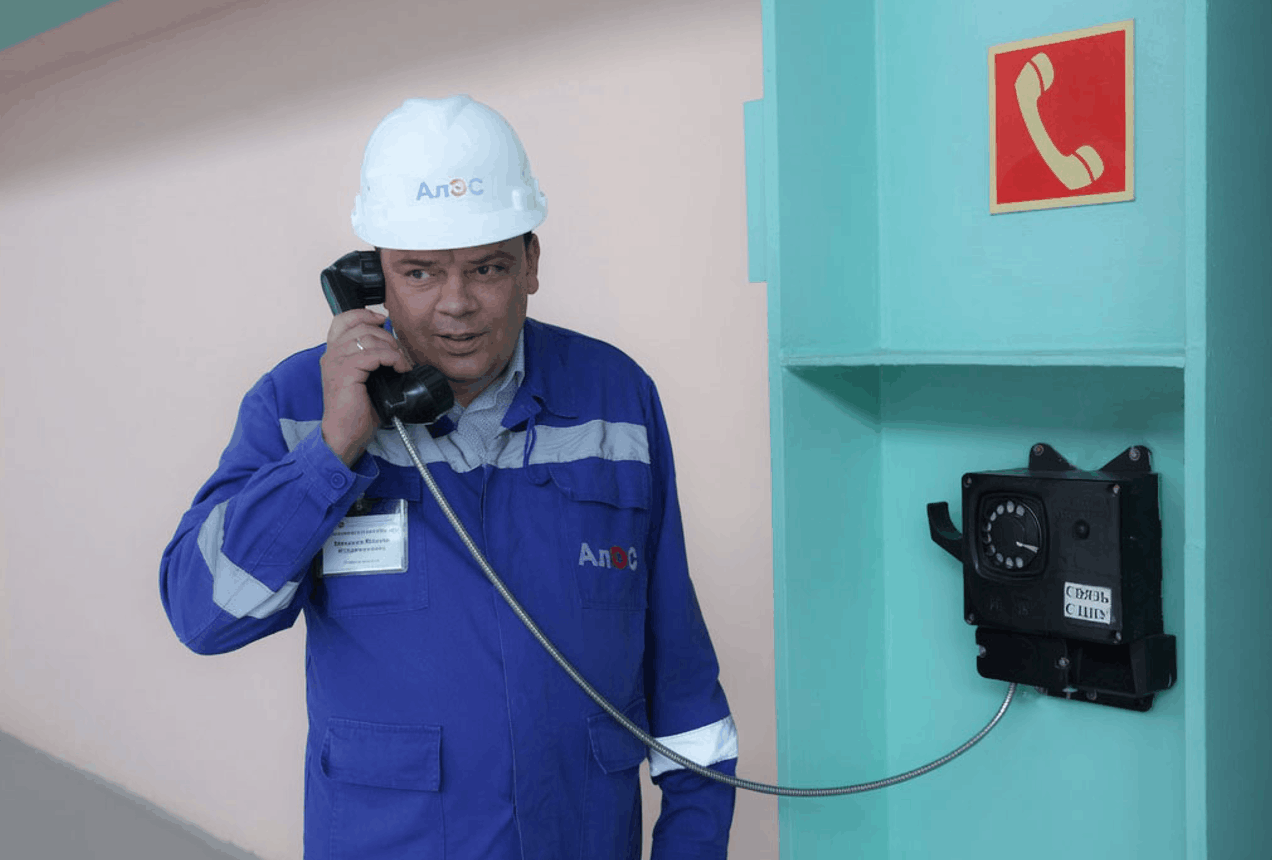
These telephones, with their heavy handsets and rotating dials, have been in use here for decades. They can’t send messages, access the internet, or take photos. But they do possess a quality that is especially valued in the energy sector: reliability.
Each hydroelectric unit at the station has its own direct-line telephone. With a single call, a machinist can instantly contact the Central Control Room, report on the equipment’s operating status, receive an order from the dispatcher, or promptly relay important information. At power facilities, such communication lines remain a vital part of the operational management system, as they provide simple and stable communication even under difficult industrial conditions.

It seems incredible, but many of these devices have been in service for more than half a century. Over this time, several generations of employees have come and gone, and computers, digital control systems, and modern means of communication have appeared. And yet, the rotary telephones continue to do their job just as reliably as they did in the station’s first years of operation.
Young specialists sometimes look at the unusual device with a smile and ask their senior colleagues, “How do you even make a call on this?” But the secret is simple: at the station, these phones have long operated on a direct line principle. You just have to lift the receiver, and the dispatcher is already on the line. Today, the rotary dial is more of a symbol of a bygone era, a reminder of how the history of operational communications at the Kapshagai HPP began.
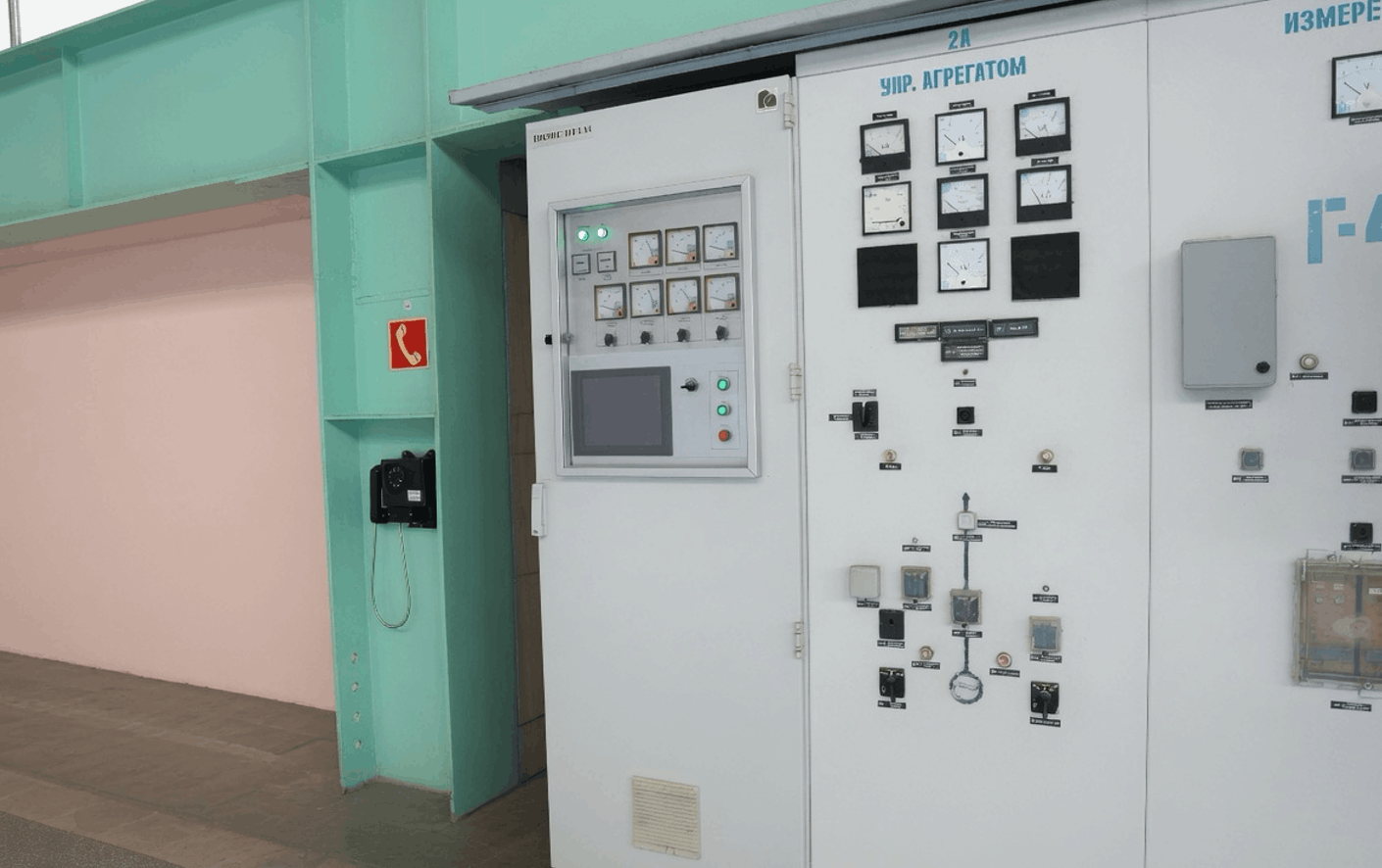
Over the decades, these phones have become silent witnesses to the station’s history. They were used to transmit commands during the start-up of hydro-generating units, report the completion of repairs, coordinate shifts, and make decisions on which the reliable operation of the Kapshagai HPP depended.
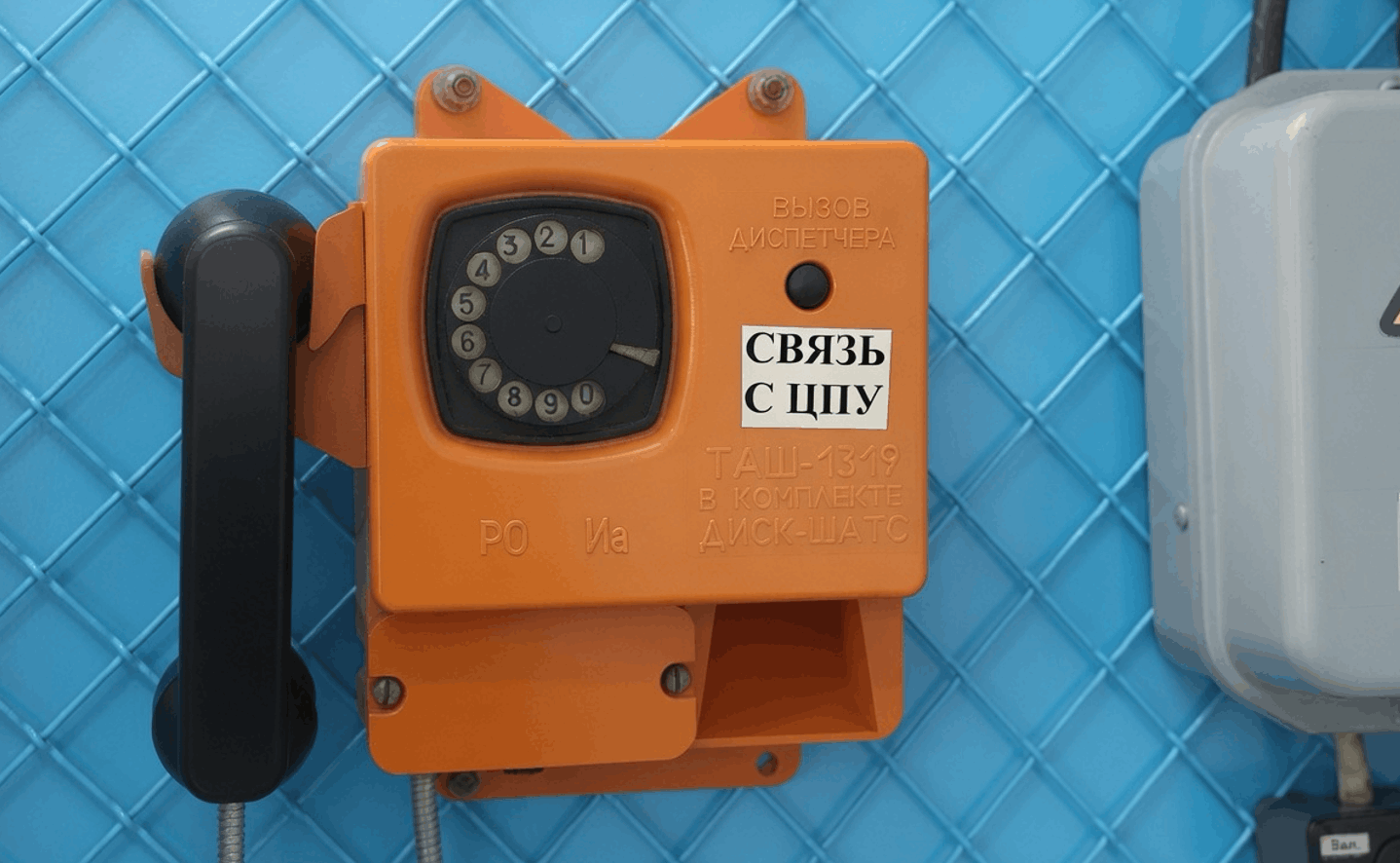
In a world where technology changes every few years, these devices are a reminder of a simple truth: reliability never goes out of style. As long as the turbines roar and the energy of water is converted into electricity, the old rotary phones continue to stand their watch alongside the power engineers – quietly, unnoticed, but still confidently connecting people where every word carries immense weight.