


Alexander NEVEROV: Energy Is a Calling
For Alexander Neverov in his youth, there was no question of what he wanted to be. Everything was already clear: born into a dynasty of power engineers, he had known from an early age that he would become. The only question was what role he would take on, clarifies Alexander Petrovich. And when asked how he entered the industry, his answer, confirming there were no doubts or hesitations, is succinct: “Without any doubt. It’s fate. I didn’t dream about it. I was walking into this profession”.
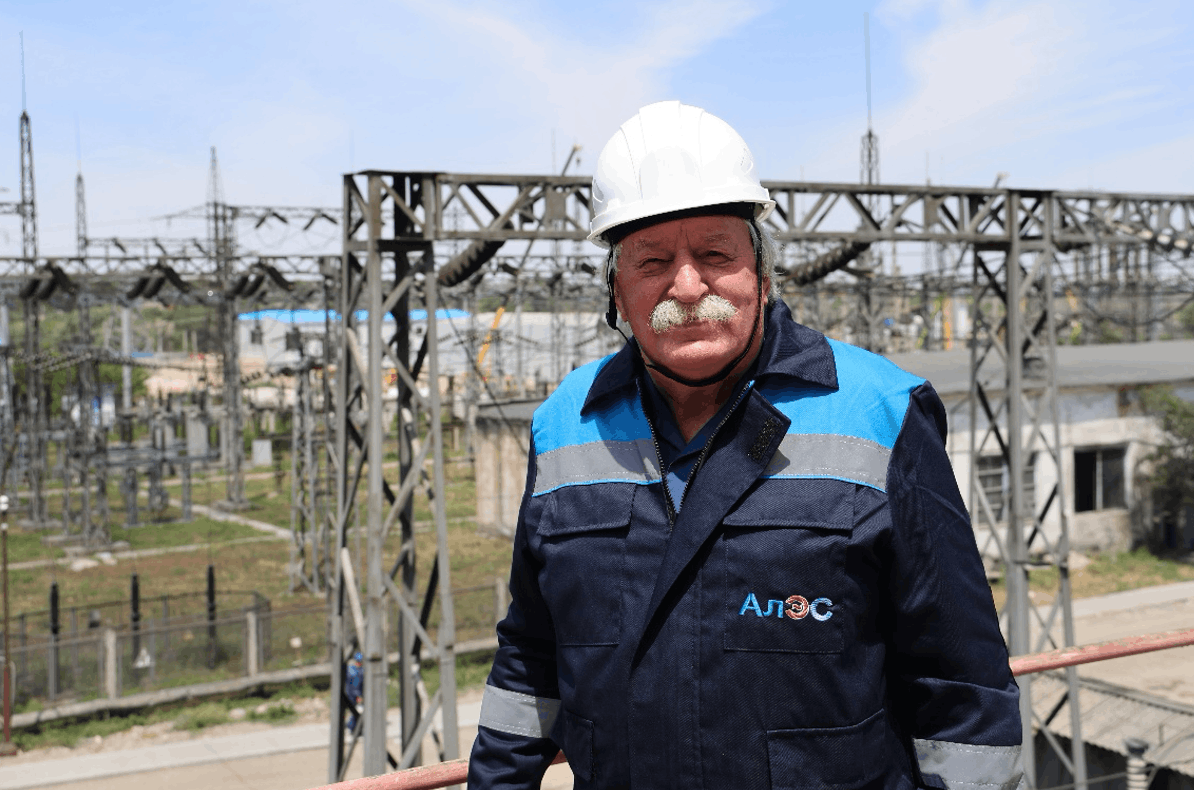
Walking in the literal sense: from the age of seven, he would bring his father, Pyotr Yakovlevich Neverov, lunch on weekends during his shift. Together with his father, he climbed all over the boilers and turbines of CHPP-3. So he was familiar with the plant from childhood. The most impressive event of that time – the plant’s launch – was fascinating to watch, “when smoke appeared over the first smokestack for the first time”.
He speaks warmly and gratefully of his parents, who, by their example of dedication to their beloved work, helped him choose his profession and confidently take his destiny into his own hands. The first power engineer in the Neverov family was his mother, Ekaterina Evdokimovna Kudlenko. In 1943, she graduated from the Factory Apprenticeship School at the Kuznetsk Metallurgical Combine with a degree in electrical fitting. She was immediately hired to work in the electrical workshop of the KMK Thermal Power Plant – on the main control panel. She continued to work as a control panel operator in 1962 at the Almaty State District Power Plant after moving to Almaty with her husband, Pyotr Yakovlevich Neverov. Later, she worked as an electrician for the Housing and Communal Services of the Almaty SDPP, then as an inspector for Energosbyt, a division of the Alma-Ataenergo company.
Pyotr Yakovlevich, Alexander’s father, was a peasant’s son who didn’t come to the profession of a power engineer right away. He completed four grades of a village school and, during the war, worked as a timekeeper for a machine and tractor station (MTS) tractor brigade. When Pyotr Neverov turned 17 in 1944, he was drafted into the army. By assignment, he ended up in the Black Sea Fleet, where he trained and qualified as a “boiler plant machinist” in a training unit and served on a cruiser. When the fascist fleet was divided among the victorious countries in 1945, he was sent to Germany to help transfer ships to the Black Sea Fleet.
After completing his military service, he worked at the thermal power plant of the Orsk-Khalilovsk Metallurgical Combine. He studied while he worked. Having learned about the upcoming commissioning of the Almaty State District Power Plant, he moved to Almaty in the summer of 1961. Here, Pyotr Yakovlevich began as the shift supervisor of the boiler shop. He also continued his studies: in 1969, he defended his thesis and was transferred to the position of station shift supervisor. He worked there until his retirement – or more precisely, until the company “Tractebel” took over management of the Almaty energy complex.
It is not surprising that for Alexander Neverov, his parents were his main authority figures, and home and family were the most important things in life. It is symbolic that a gold watch became the Neverov family heirloom. The three Neverov brothers gave it to their father for his 50th birthday, and now it has been passed down to the third generation of the family. Such is the bond between the generations of the strong Neverov dynasty. And now they are in the third generation of the family.
It was through their own example that his parents determined both Alexander’s choices and his destiny.
“Strange as it may seem, at the age of 15, I contributed to the construction of the AGRES”.
“In 1970, boiler No.7 was being installed at the plant, and it was as an apprentice with the SredAzEnergoMontazh Trust installation crew that I took part in the installation of the boiler unit. And that is why the boiler shop is as familiar to me as the electrical one”, recalls Alexander Petrovich.
After completing 8th grade, he enrolled in the Alma-Ata Construction Technical School, from which his father had graduated a little earlier. In 1973, following his father’s advice, he started his pre-graduation internship as an electrician in the electrical shop’s ETL at the Alma-Ata GRES. Without interrupting his work, he defended his thesis and earned the qualification of “electrical technician”. He clearly remembers his first day at CHPP-3, especially the warm welcome from his supervisors and senior colleagues.
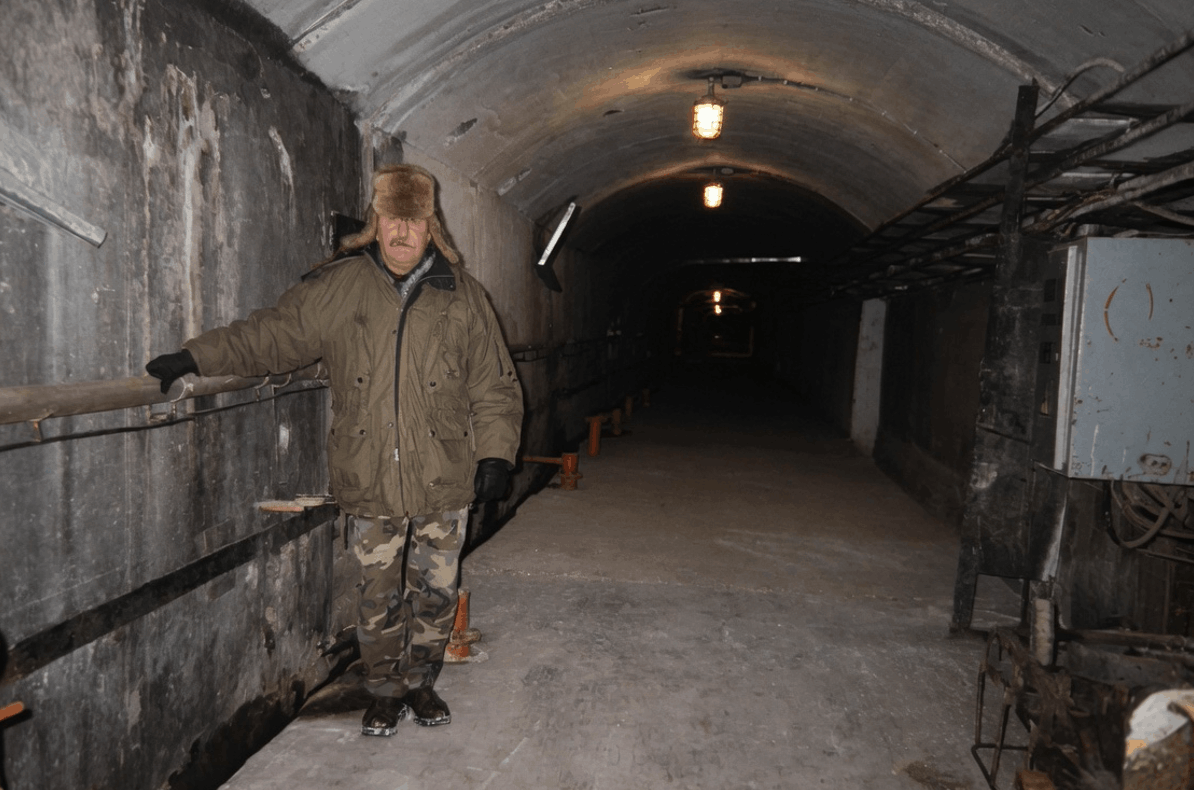
“I still cherish the words they said to my father after I passed my safety engineering exams on the first try. The exam was administered by the head of the electrical shop, Ivkin, and the head of the ETL, Feofanov: “Wow! Even our employees with a level IV electrical safety rating and ten years of experience don’t answer like that. We’ll get along just fine”, Alexander Petrovich recalls their assessment. “My workday back then would begin with the shop head, Ivkin, coming to the laboratory in the morning. Together with the head of the ETL, they would set the task for the day. Then, foreman Fedorov and I would get to work. Our tasks included high-voltage equipment testing, repairing automation and relay protection systems in switchgear cubicles, and other things. I always look back with warmth on my direct supervisors: shop head Ivkin, ETL head Feofanov, foreman Fedorov, my first mentor – brigade leader Igor Mullo, and many others for the practical experience and knowledge they shared”.
It was as if fate itself was guiding Alexander Neverov in his profession: even his military service was in his specialty, serving in the Strategic Missile Forces in an energy supply group.
“For two years in the army, I did the same thing as at AGRES: high-voltage testing and locating faults in cable lines. I finished my service as the head of an electrical engineering laboratory”, continues Alexander Petrovich. “After my military service, in 1976, I enrolled in the full-time program at the Almaty Energy Institute. At the same time, I worked as an electrician for the AGRES housing and communal services department. Then, in 1982, I was invited to work as an engineer at the Energonadzor production site of Alma-Ataenergo, which was being established in the Energeticheskiy settlement”.
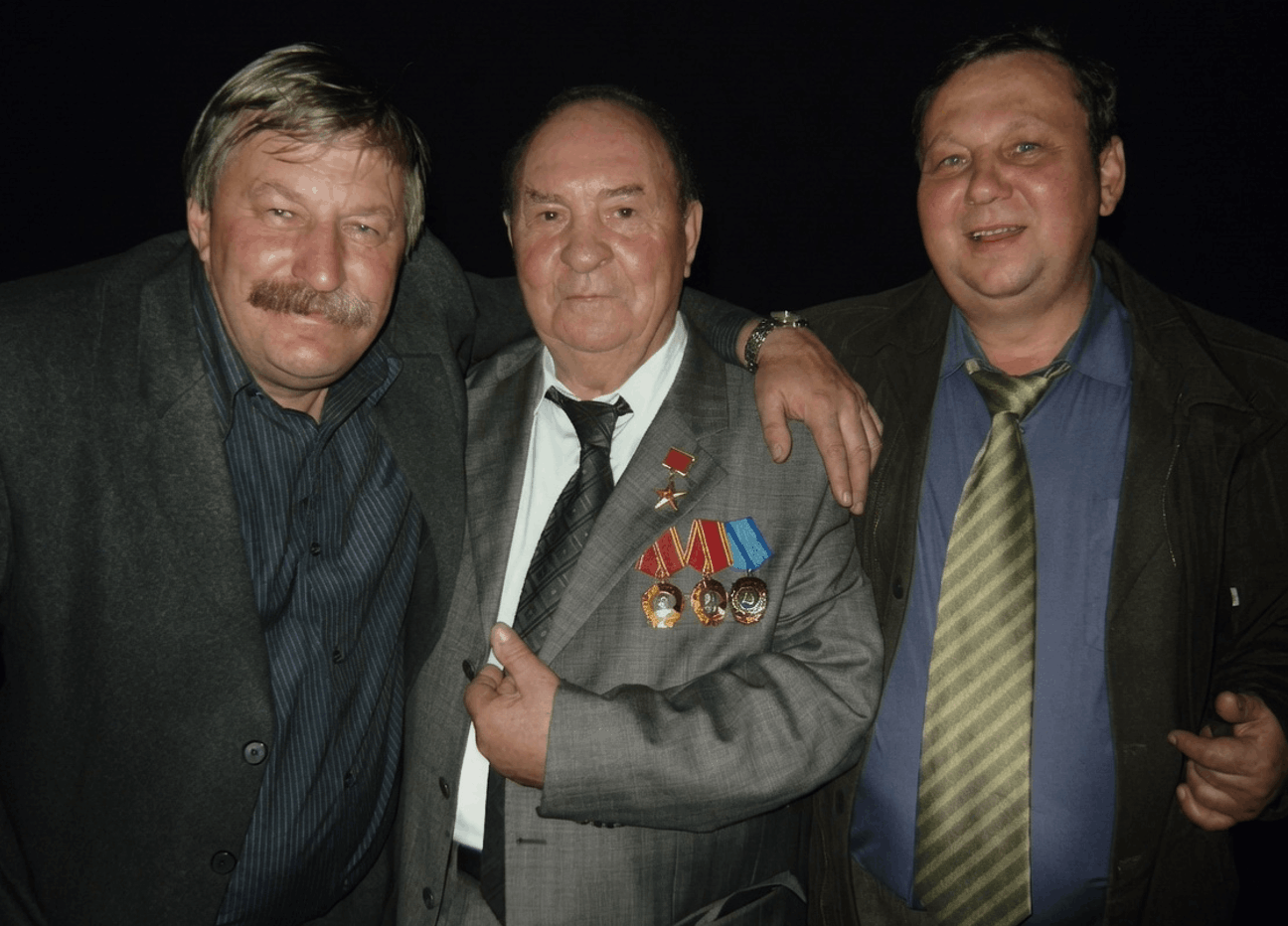
This was a crucial period in my career, a time for cementing knowledge, accumulating experience, and developing principles for working with a team. It was then I came to understand how important it is to always remember how dangerous and demanding this work is. I also realized how vital it is to keep your feet on the ground, realistically assess your own strengths and abilities, trust your team’s professionalism, and know how to work with people, taking responsibility for your subordinates. And to understand that the success of the entire operation depends on the psychological state of each team member.
During that period of perestroika and the subsequent collapse of the country, there were many instances where only the right decision, the professionalism of the people involved, and sound judgment made it possible to avoid serious emergencies.
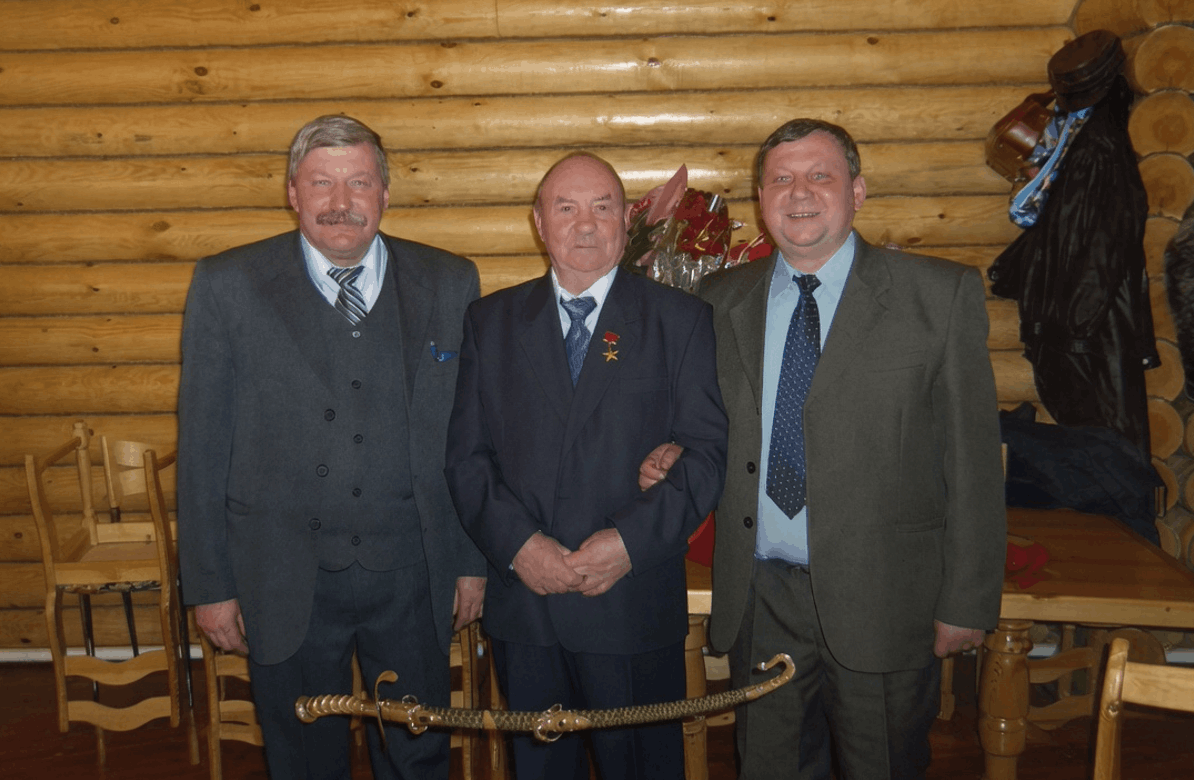
“I remember the day of December 31, 1999, very clearly. A strong wind started blowing then – I’ve never seen winds like that since. Trees were falling, and power lines were tearing. There were a great many outages. We tried to fix them but quickly realized we were only making things worse, as we were starting to lose control of the situation. I made the decision to stop all work until the bad weather passed. We waited until nine in the evening – it was useless. We all went home. And miraculously, at 11 o’clock at night, the wind suddenly died down completely. The entire district saw in the New Year in total darkness.
And on January 1st, at 8:00 AM, without any reminders, the entire staff gathered at the site. At 8:30 AM, the district akim, N.N. Logutov, arrived with his entourage. He probably wanted to teach us how to do our jobs, but… no one ran up to him. Everyone, paying him no mind, continued with their tasks: assessing the nature of the outages, gathering the necessary materials, preparing the equipment for dispatch, and filling out work permits.
After standing in silence for a couple of minutes, Logutov turned to his deputies and said, “There’s nothing for us to do here”, and left. Over the course of the day, all the outages in our assigned area were fixed, and for another 10 days, we listened on the radio as other units dealt with their own.
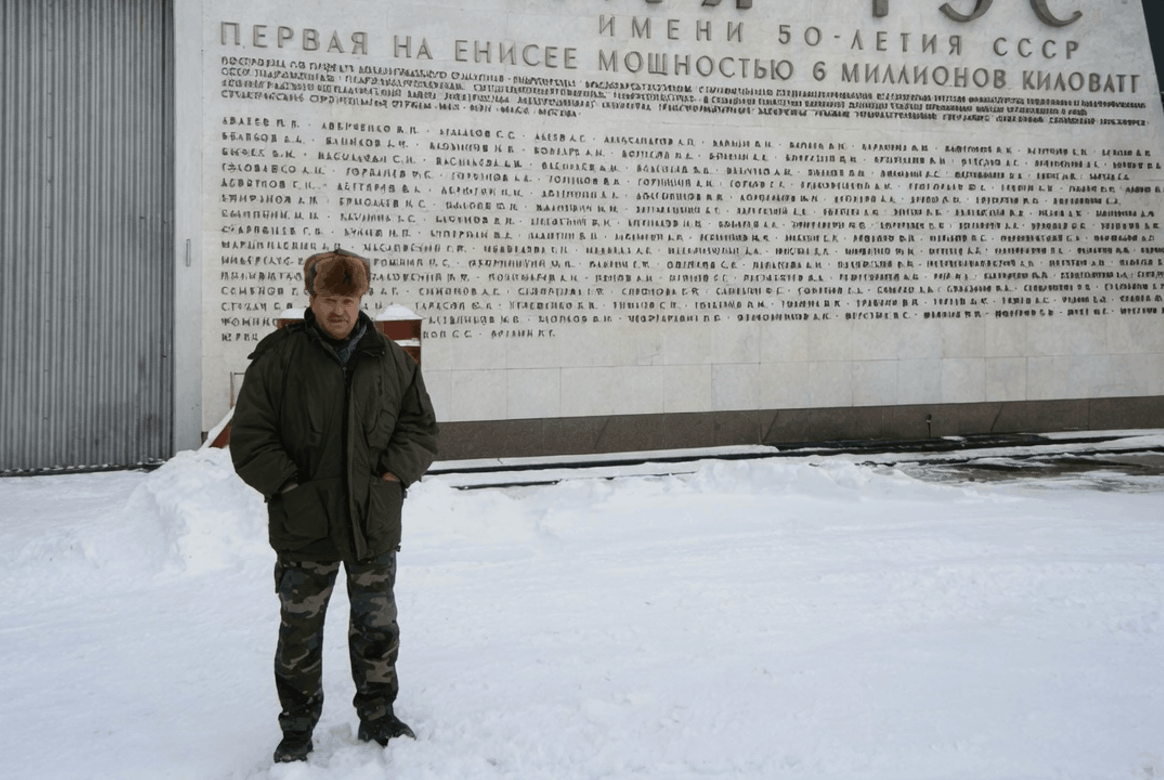
In 2000, Alexander Neverov transferred to the Alma-Ata Mechanized Column as chief engineer, where he was involved in the construction of power lines from 0,4 to 500 kV and substations. This included installing new 110 kV cells and reconstructing 35 kV cells at CHPP-3.
“Interestingly, back in 2000, our construction and installation company, AESS JSC, was building a system of seismic stations around the future site of the current nuclear power plant under the project title Balkhash Nuclear Power Plant”, he says. “And after the subsequent decision to build a thermal power plant instead of a nuclear one, we were involved in converting the heating system of the freezing village of Ulken from a start-up boiler house to electric boiler houses. We carried out the reconstruction of the water pumping station from Lake Balkhash, which included building a water pipeline to the existing drinking water treatment plant (DWTP) in the village of Ulken, which was in a state of neglect at the time”.

“But fate was kind enough to give me a chance to continue working on the future nuclear power plant. After moving to the company Caspian Contractors Trust LLP in 2010, I was involved in the design and reconstruction of the DWTP, as well as the reconstruction and construction of sewage pumping stations and other utilities in the village of Ulken”.
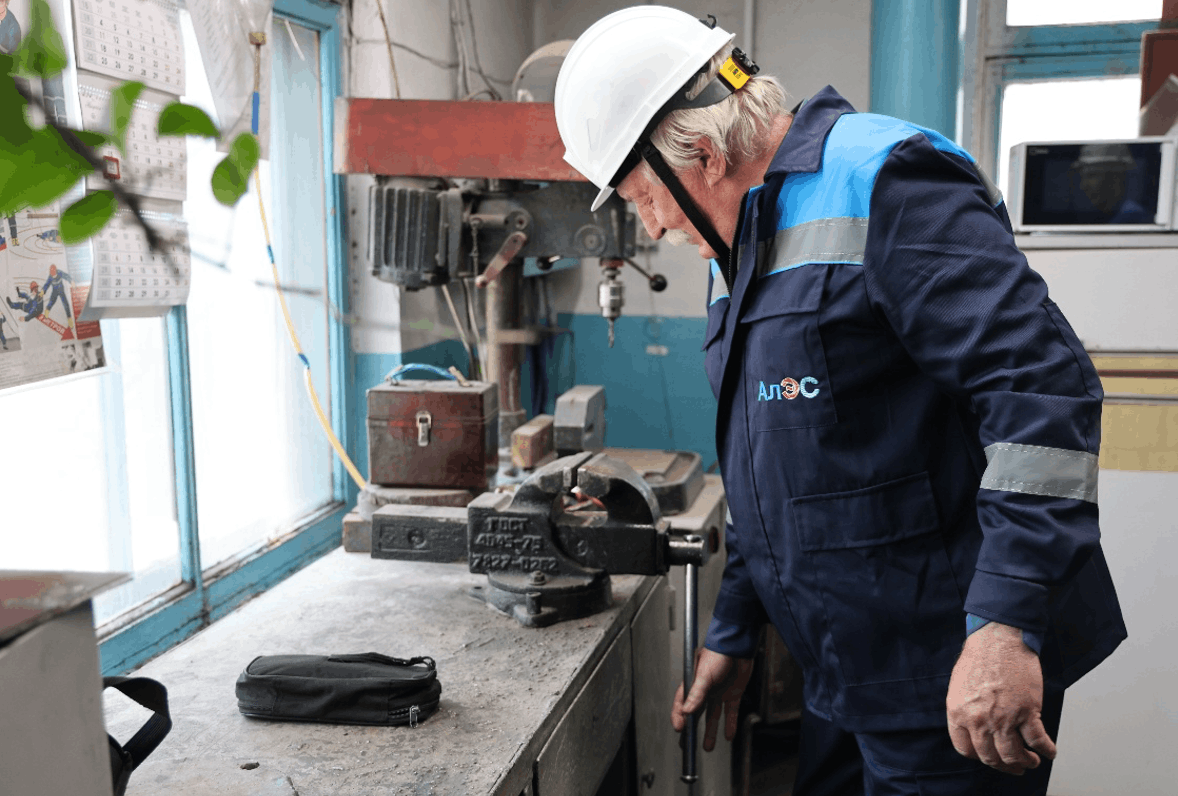
Alexander Petrovich is now retired. When asked how he relaxes, he answers simply: “by doing something”. And reflecting on the path he has taken, he says that his professional dream has come true: “I held the positions I wanted and understood thoroughly, and I didn’t do what I didn’t want to do”. He is at peace with himself and agrees with his friends’ assessment: “Petrovich doesn’t set unrealistic goals. But he always accomplishes the ones he sets”.
On a purely human level, he deeply values the gesture of his friend and colleague, who brought his son to work and said he very much wanted Alexander Petrovich to be his first supervisor. That kind of trust and esteem is priceless.
Indeed, Alexander Neverov’s career has been marked by many successful, sound decisions and systematic, effective work. He has achievements of which he is rightfully proud.
“When I first came to work at the RES, the site had nothing but a broken table and chair and a sagging sofa; in the yard stood a single, constantly broken-down car. There were a few electricians, dissatisfied with the working conditions and lack of housing”, he recalls. “But when I left, we were in a beautiful building, and everyone I started working with had received an apartment. The yard held a whole fleet of vehicles: a UAZ-469 passenger car, crew trucks, a mobile crane, a dump truck, a post-hole digger, and the only factory-built mobile electrical laboratory in the APES, which we had obtained for Alma-Ataenergo through some unknown means and then rebuilt ourselves to locate faults in cable lines.
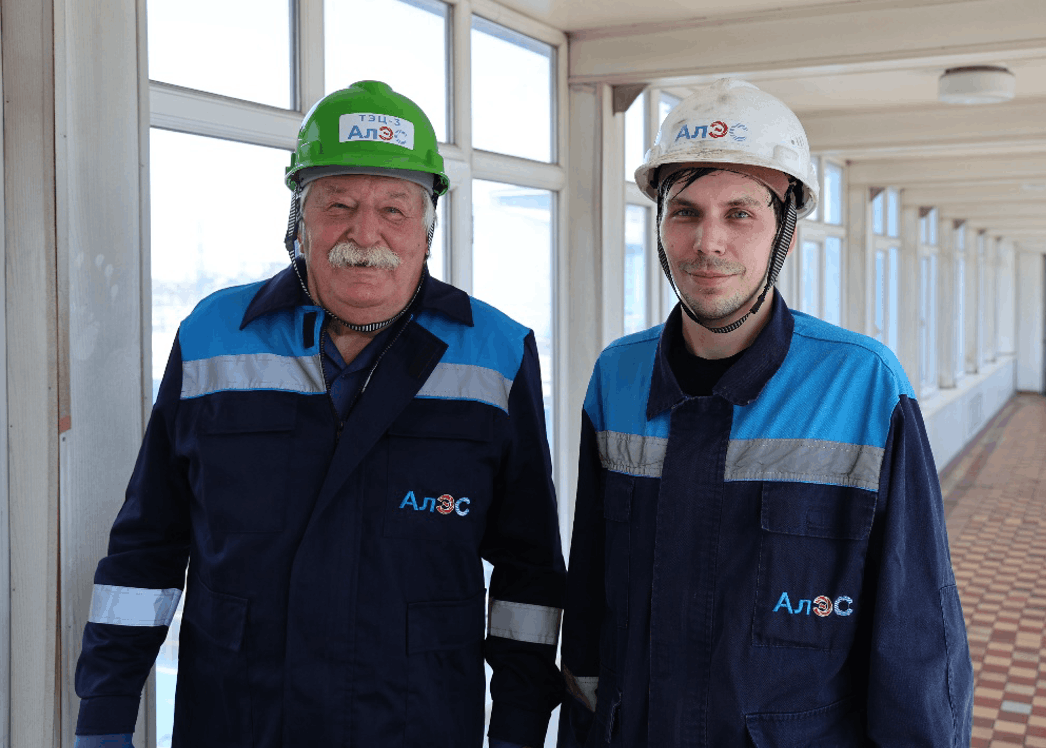
And most importantly, a magnificent team had been formed, one that had repeatedly won all professional competitions and was up to any task. Even today, it’s important for me to feel that I did everything I possibly could in every situation. And in my profession”.
Like most power engineers, Alexander Petrovich has not severed ties with his beloved profession, keeping an eye on it from retirement. And along with wishing it success, he advises the company to “pay more attention to its personnel and their professional growth. To notice, acknowledge, and discuss their successes and failures with the team”.
“After all”, he says, “these are the very people with whom you will have to solve complex technical problems. And it is they, and only they, who can help in a difficult moment”.