


Tatyana Andreyevna SOLODILOVA, before retirement – Senior Inspector for Technical Operations at CHPP-3 From Intern to Mentor: A Story of Loyalty to a Profession
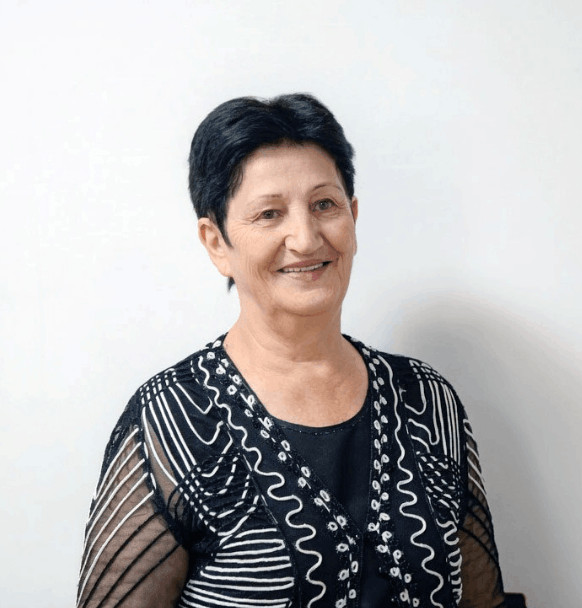 After we finished school, my friends went into retail, but I went to the Almaty Power Engineering Technical School. I’ve always liked working in a production environment. My parents came here for the construction of the power station. My mother, Galina Valentinovna Ushakova, was a plasterer and painter, and my father, Andrey Vorfolomeyevich Ushakov, was a carpenter and joiner. We lived in the settlement of the former GRES, which is now the Otegen Batyr settlement.
After graduating from the technical school with a specialty in “Heat Power Technician”, I was assigned to NIPI energoprom. I worked in the Instrumentation and Automation department as a design technician, but I was granted a release from that assignment, and in 1976, I came to work at the GRES. The station was a sponsor of our School №8, and they organized tours of the Almaty GRES (State Regional Power Station), now TPP-3, for high school students. It was initially built as a power station, without a heating complex. The first unit, Boiler № 1 (K-1) and Turbogenerator № 1 (TG-1), along with Chimney №1, which was 50 meters high, was commissioned in 1962. From then until 1965, Boilers K-2, K-3, K-4, K-5, K-6 and Turbines TG-2, TG-3, TG-4 were gradually put into operation, as well as a 100-meter chimney that vents the flue gases from five boilers.
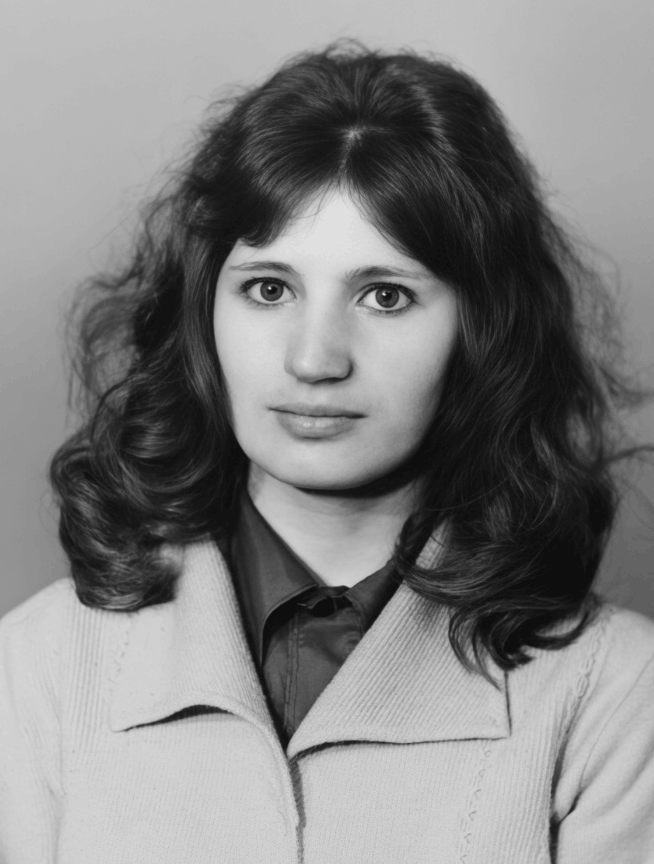 In 1974, I did my industrial internship at the GRES as an ash disposal site patroller. An ash disposal site is a hydraulic structure for storing ash, shaped like a huge basin with a fill dam. An ash pipeline runs along the top of the dam, with outlet pipes branching off along the perimeter of the basin. The ash slurry enters the basin through these outlet pipes; switching from one outlet to another is done in sequence to ensure the basin fills evenly. My duties included monitoring the uniform filling of the basin and informing the operational staff when it was time to switch from one outlet to another. After the ash slurry clarifies (the ash settles), the water is returned to the station for reuse through a clarified water pumping station. My duties also included inspecting the dam for integrity and ensuring it was being properly built up during its expansion.
After technical school, I was temporarily hired at the AGES in the production and technical department. I was deeply impressed by the 35, 110, and especially the 220 kV outdoor switchgear substations, as well as the transformers, generators, and so on. Thermal engineering and thermomechanical equipment were all clear to me, so I felt right at home in the boiler and turbine shops. At CHPP-3, the team was very close-knit. And since the AGRES was the town’s cornerstone enterprise, many residents of the settlement also worked there and saw the station as a second home.
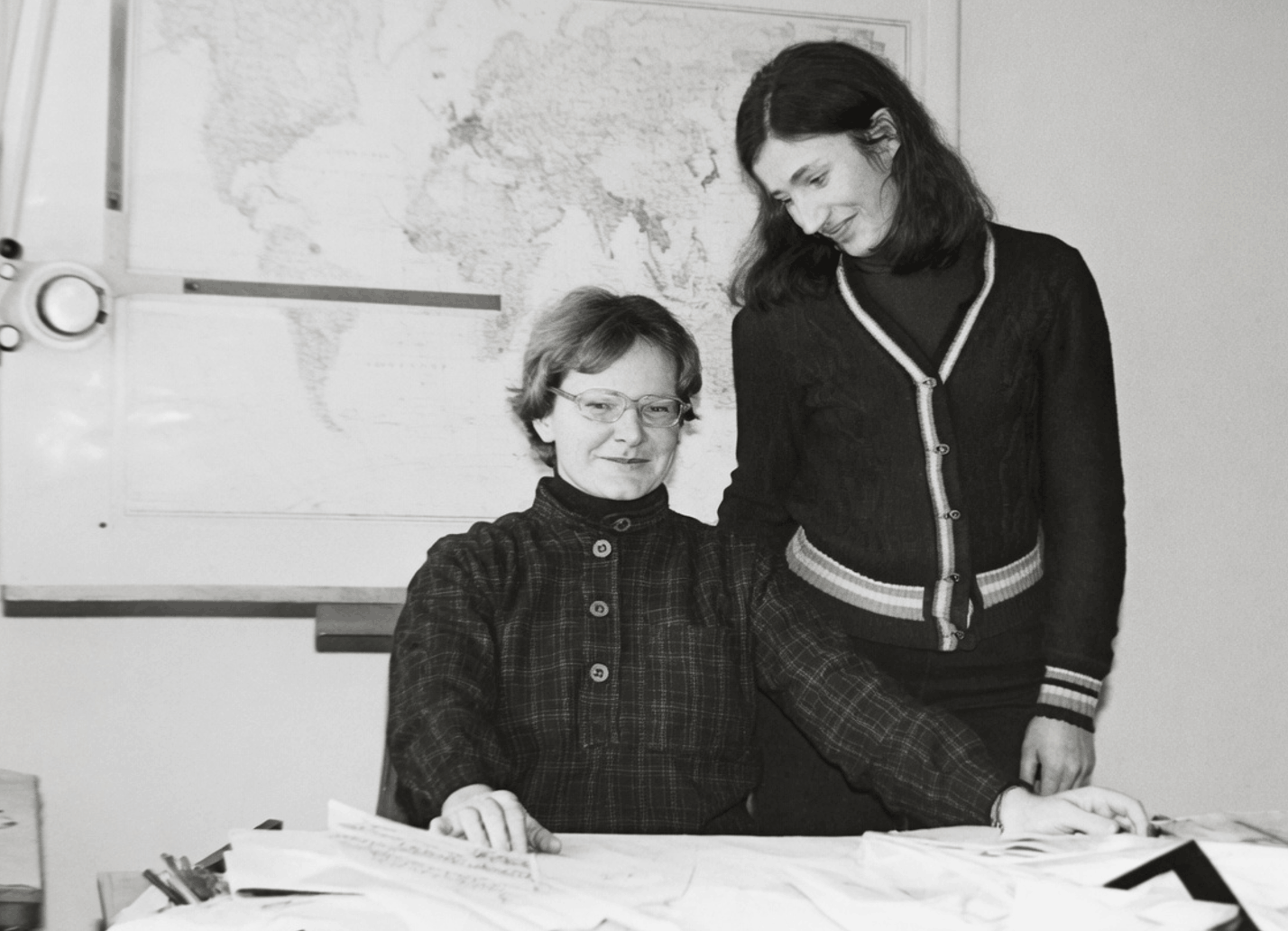
My first job at the station was as an operator of duplicating machines: photosensitive machines and the VEGA, a prototype of future photocopiers. Later, I was transferred to the accounting group and then to a permanent position in the design group as a design technician. The team was young. The head of the production department, Valentin Mikhailovich Nemichev, was not only my boss but also my mentor. We typed on machines and copied blueprints, developed small projects from which parts for mechanisms were manufactured and pipelines were laid. Since we also had a recreation area, we did the layout planning and developed landscaping projects for it.
Initially, the AGRES – a power plant for generating electricity without heat extraction – was equipped with four K-50MW condensing turbines and K-90 turbines rated at 50 MW. When I came to the station, the turbines were undergoing reconstruction. Three turbines (TG №1, №2, №3) were converted to a district heating mode, T-41 MW. The project assumed that the station would provide heating for the lower part of the city. With the conversion of three turbines to heat extraction, the station’s design capacity decreased from 200 MW/h to 173 MW/h. But, unfortunately, the number of heat energy consumers we were counting on never increased.
By its original design, CHPP-3 was a peaking power station. The staff was competent and cohesive, responding quickly to any situation. The station regularly conducted emergency and fire safety drills, which were held to a high standard. Various emergency scenarios were simulated during these drills. These were station-wide drills in which all departments participated. The duties and sequence of actions for personnel to resolve an emergency were practiced. Observers would monitor how the drills were proceeding.
 Although it’s impossible to account for every eventuality, a “total blackout” scenario was, in principle, well-rehearsed. This situation involves disconnecting from other power stations, and every shift supervisor knows the protocol for such emergencies. When the station experiences a total blackout, the boiler shuts down, but the turbine does not stop immediately and continues to rotate by inertia, generating 4 MW. Therefore, resolving the emergency and bringing TPP-3 back into operation depends on the prompt actions of the on-duty personnel.
However, emergencies did still occur. One is particularly memorable. It was in the early 2000s. There was an emergency with an oil circuit breaker, and the power line running from CHPP-3 to the airport was cut off. At that very moment, the head of state’s plane was in the air. As was later established, this was purely a design flaw, as such lines must be redundant. But according to the design, there was only one line, and CHPP-3 was not at fault for the technical failure. Everything was restored within two hours. But a plane can’t stay in the air for more than half an hour, so the aircraft was diverted to another airfield. After this emergency, a backup power line was installed; now, if one of the lines suddenly disconnects, it automatically switches over to the backup.
In 1996, the Almatyenergo company was acquired by a Belgian company and renamed APC JSC. The new management did not consider it necessary to invest in the development of CHPP-3 (AGRES). Repairs were practically non-existent. For them, the main priority was another station – CHPP-2. This is partly understandable, since there was an economic downturn during that period, and electricity consumption dropped sharply. In addition, CHPP-3 lagged behind other thermal power plants in heat generation, and its electricity generation was reduced to a minimum, which consequently led to a reduction in staff at CHPP-3.
Of course, the station was in need of repairs and staff. During the period it was managed by the Belgian company, the metal pipes at CHPP-3 suffered from severe corrosion, which required modernization. Technological equipment failures increased three to fourfold, while repairs were merely cosmetic. The constant “jerking” of the equipment (switching from one mode to another), which was common practice at the time, was dangerous for the turbines and boilers. And now, AlES JSC is reaping the consequences of this irrational equipment operation. For instance, the fourth turbine had not yet reached its full operational hours but was already decommissioned due to the number of cold and hot starts. As a result of the frequent starts and stops, microcracks appeared on the casing, and the rotor had to be replaced.
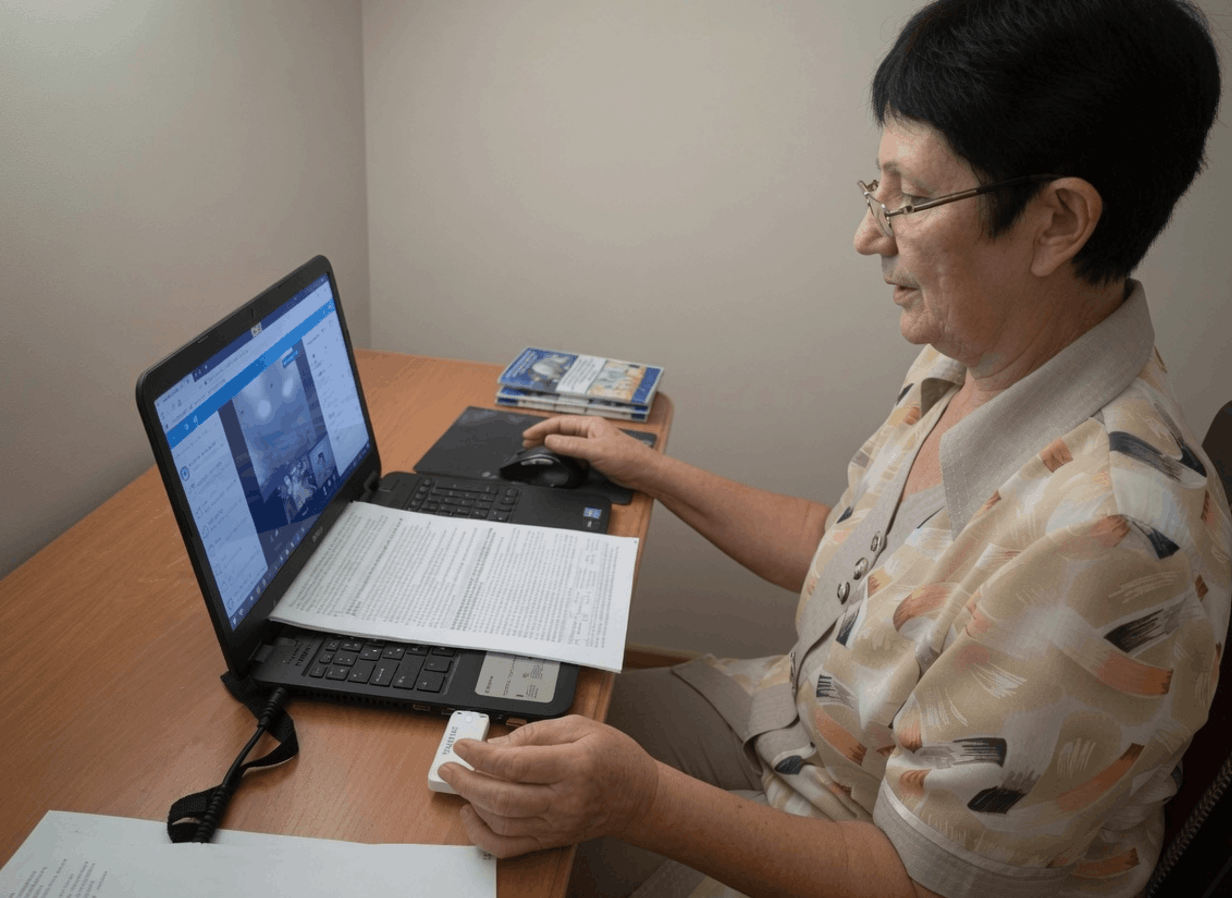
I worked as a metal and welding inspection engineer for 16 years. It was a vast and interesting experience. When the Almaty Energy Complex was returned to the city and became AlES JSC, repairs began at TPP-3: the water-heating pipes were replaced, the cooling towers were modernized, and new-generation ash collectors were installed. And we suddenly saw that the snow in winter could be white. You see, when the station was first built, it had electrostatic precipitators installed, but they only captured fine ash particles, which is why the snow in the village was black in winter. Later, the station was fitted with wet scrubbers, which capture up to 96-97% of the solid particles in the flue gases.
A decision was also made regarding the ash dumps. To reduce environmental pollution, an effective solution was found: dry ash and slag removal. This system eliminates the need to expand the area for new ash dumps. The operating principle involves three fields: two are alternately filled and dried, the ash from the dried field is then moved to the third, and the newly freed field undergoes reconstruction.

Also, in the early 2000s, there was an experimental project to use ash in manufacturing concrete products, but it was only partially implemented before work was suspended. However, the idea has not been completely abandoned.
In 2002, I was appointed Senior Health and Safety Inspector. Everything I had done before was straightforward to me. But here, I was faced with the reality that I had to figure everything out on my own. At that time, the health and safety department was staffed by knowledgeable people – true professionals: the head of the department, Anatoly Vasilyevich Glushkov, Sergey Vasilyevich Galaktionov, and others like L.U. Bulakhova. It was thanks to them, their help, and their support that I mastered the profession of an inspector.
I liked this job, but it was difficult. It wasn’t just about working with people; it was about earning their recognition of me as an inspector. First, I had to prove my competence. My experience working with personnel helped me, as did the fact that I had served as the deputy chairman of the trade union committee for 16 years.
Back then, there was a lot of work related to staff training. When new laws and regulations were issued, I would organize small seminars for the employees. I took part in conducting technical training in the areas of occupational safety, first aid, and the integrated management system.
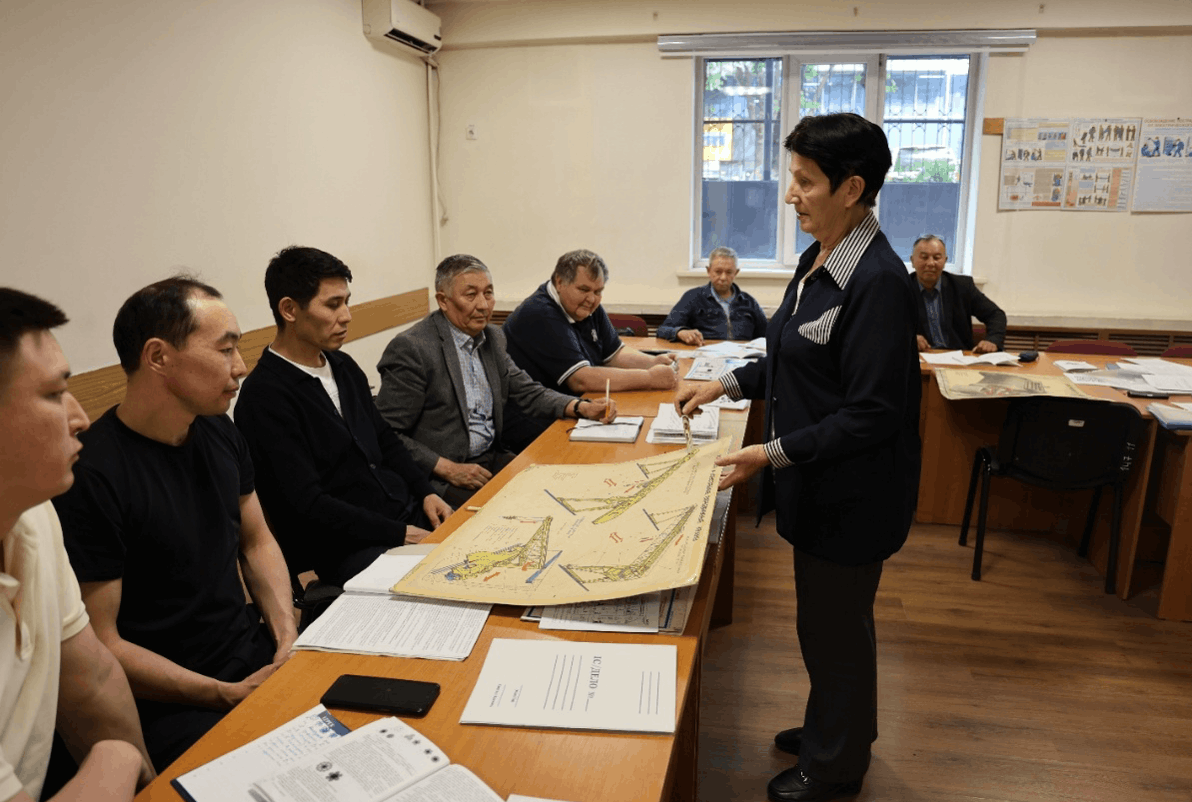
After retiring, I continued to work at AlES JSC. I was invited to teach at the company’s Staff Training Department. At first, I taught occupational safety, then materials on lifting equipment for designated personnel and engineering staff. Now I teach disciplines on topics such as: pressure vessels, pipelines, boilers, chemical industry, precursors, and lifting equipment. I conduct professional development courses for inspectors and engineering staff. This year, we have developed three new programs: working at heights, hot work, and excavation work. For me, it is important not only to impart knowledge but also to get people interested.
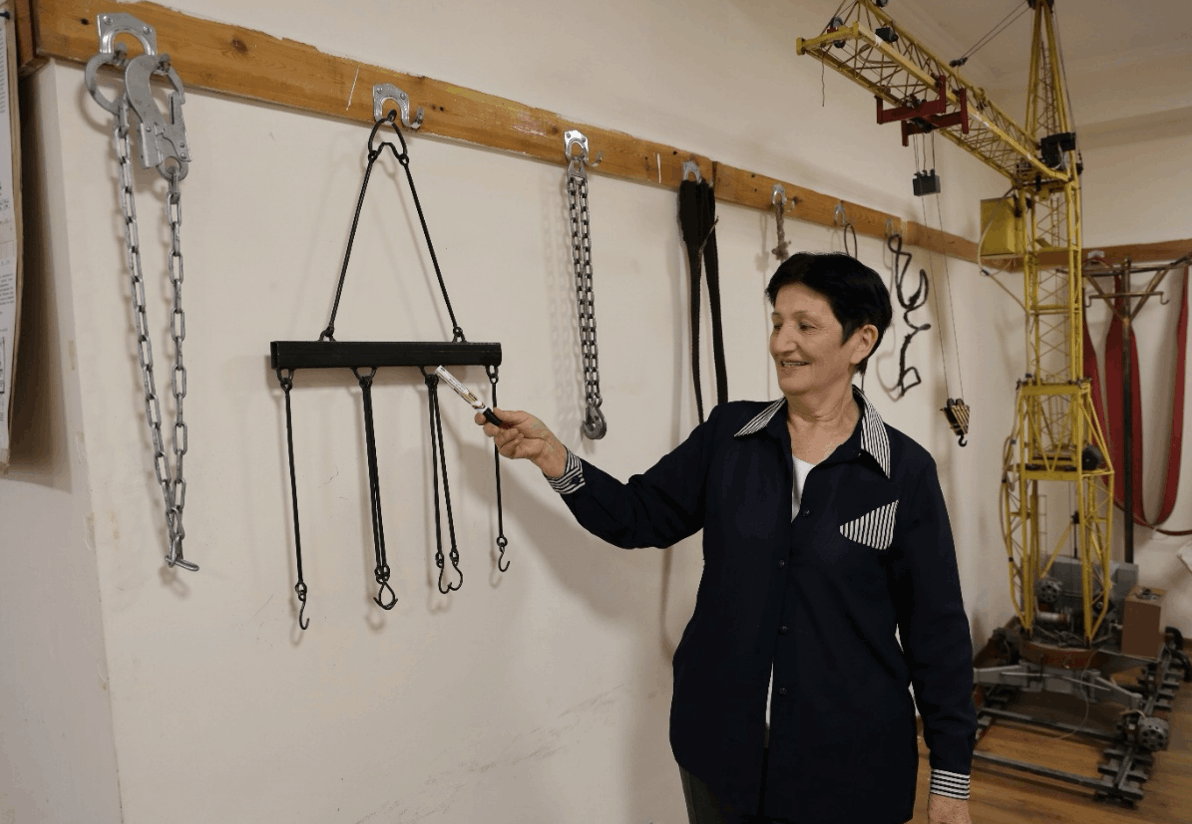
We now have five instructors – all former employees: Galina Sergeyevna Suminova, who worked for many years as the deputy head of the boiler shop; Anatoliy Mikhailovich Skripkin, who worked as the deputy head of the fuel and transport shop; and Alexander Mikhailovich Orlov – a true professional who is a commissioning engineer, a repairman, and an operations specialist for turbines. All our instructors have the necessary knowledge and are top-tier professionals.
Many companies now have their own training centers. Every industry wants to train its employees for its specific field. However, we don’t just teach the required standards, regulations, and professional skills; we also instill a respectful attitude toward one’s profession. We all have a background in production, which gives us a slightly different perspective on our students compared to external instructors. To us, they’re like family.