


Pyotr Neverov: The Naval Soul of a Dynasty
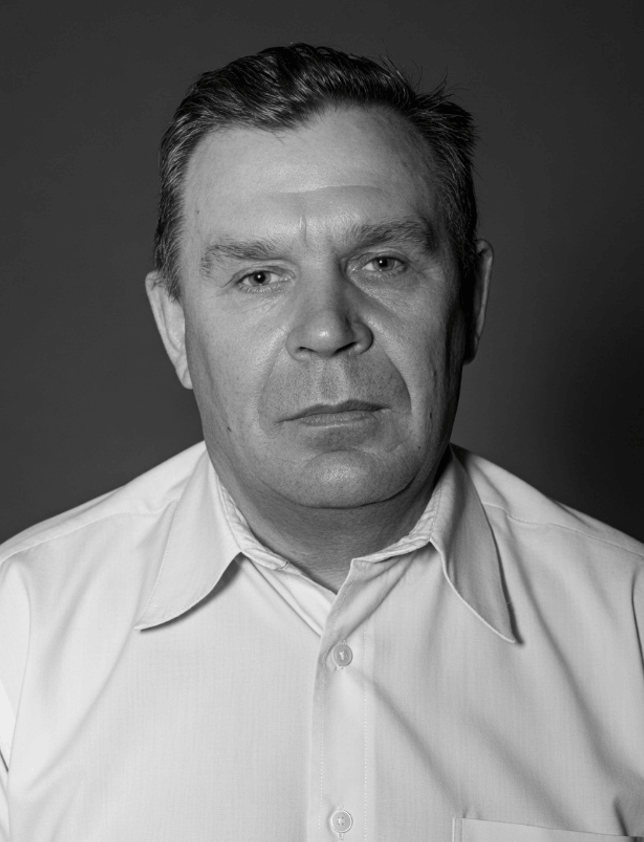 The Neverovs are one of the most well-known and numerous family dynasties at AlES JSC. Their combined experience in the energy sector spans over 60 years. And although the dynasty began with a woman – the first to enter the energy industry was seventeen-year-old Yekaterina Kudlenko (later Neverova) – the soul and root of this family is Pyotr Yakovlevich Neverov, a man of remarkable destiny. It was him that Yekaterina Kudlenko married. And in their time, their sons and grandchildren followed in their footsteps into the energy sector…
Pyotr Neverov was born in 1927 in a village near the town of Buzuluk in the Chkalov Oblast (the Orenburg Oblast since 1957). “His father and his grandfather were simple collective farmers, and by the way, during the Civil War, they fought in the Chapayev Division, and my grandmother knew Petka, Vasily Ivanovich Chapayev’s orderly,” says Alexander Neverov, son of Pyotr Yakovlevich. “Before the war, my father completed four grades of village school and during the war, he worked as a timekeeper for a tractor brigade at a machine and tractor station. In 1944, as a 17-year-old boy, he was drafted into the army. During the war, the draft age was 17. And my father was part of the last wartime draft”.
At the regional military commissariat, out of nine thousand draftees, my father was one of 11 men assigned to the Black Sea Fleet. In Sevastopol, he was sent to a training detachment of the Black Sea Fleet, where he qualified as a boiler plant operator. After graduating from the training detachment, my father served on one of the Black Sea Fleet’s cruisers.
When the fascist fleet was divided among the victorious countries in 1945, my father was sent to Germany to transfer ships to the Black Sea Fleet. After completing his service in 1951, he went to work at the thermal power plant of the Orsk-Khalilovo Metallurgical Combine through an organized recruitment program, which is where he met my mother”.
Six years in the navy – a sailor’s soul for life! Perhaps that is why the Almaty GRES, where so much is reminiscent of a ship – the “deck”, the “hold” – later became the place of his service in the energy sector. By the way, it was sailors who brought concepts like “hold” and “deck” into the vocabulary of the power engineers at the Almaty GRES (now TPP-3). This was partly due to the station’s design features, and partly due to the large number of sailors who, after serving in the navy in northern and southern latitudes, came to Alma-Ata and got jobs at the station.
But before that, the young Pyotr Neverov was at the TPP of the metallurgical combine, where he started as a boiler operator and soon became a shift supervisor. In the opinion of the plant’s management, the good and promising specialist Neverov had only one drawback: insufficient education. So, Pyotr had to go back to school and finish his seven-year program at an evening school. Many people know what it was like for the working class to study while holding down a factory job from the remarkable Soviet film “Spring on Zarechnaya Street”, directed by Marlen Khutsiev and Felix Mironer. Pyotr successfully completed the seven-year school and then enrolled in a technical college.

Then, fate took a turn: after learning about the upcoming commissioning of the Almaty GRES, the young specialist Pyotr Neverov arrived in Almaty in the summer of 1961.
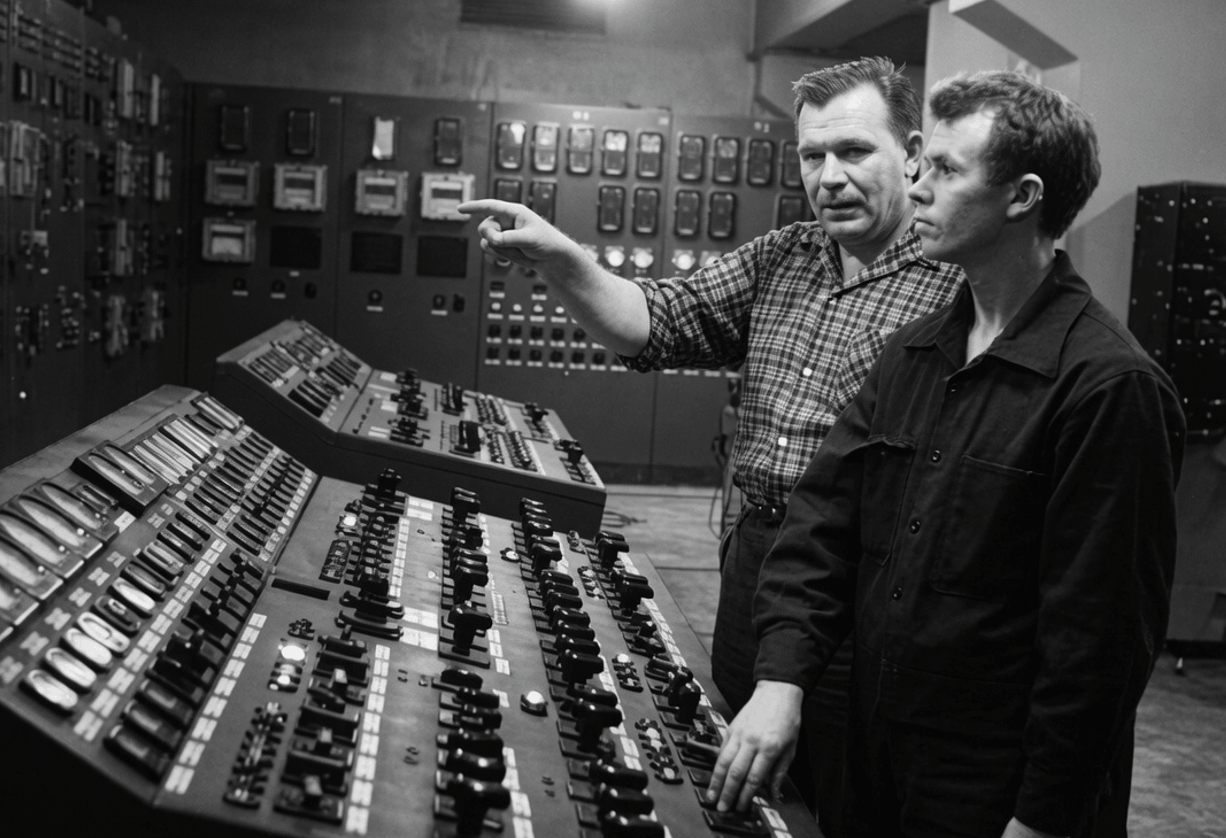
“The station was in the process of putting together its operational staff, and my father, after meeting with the GRES’s first operations director, Ya.F. Lazunin, received an offer to continue his work as a boiler shop shift supervisor”, says Alexander Petrovich Neverov, sharing his family’s story. “Starting in the fall of 1961, my father began working at the station. At that very time, the equipment was being handed over from the installers and builders, and trial runs were underway. And on March 2, 1962, the station was put into operation. My father told me he was actually working that shift”.
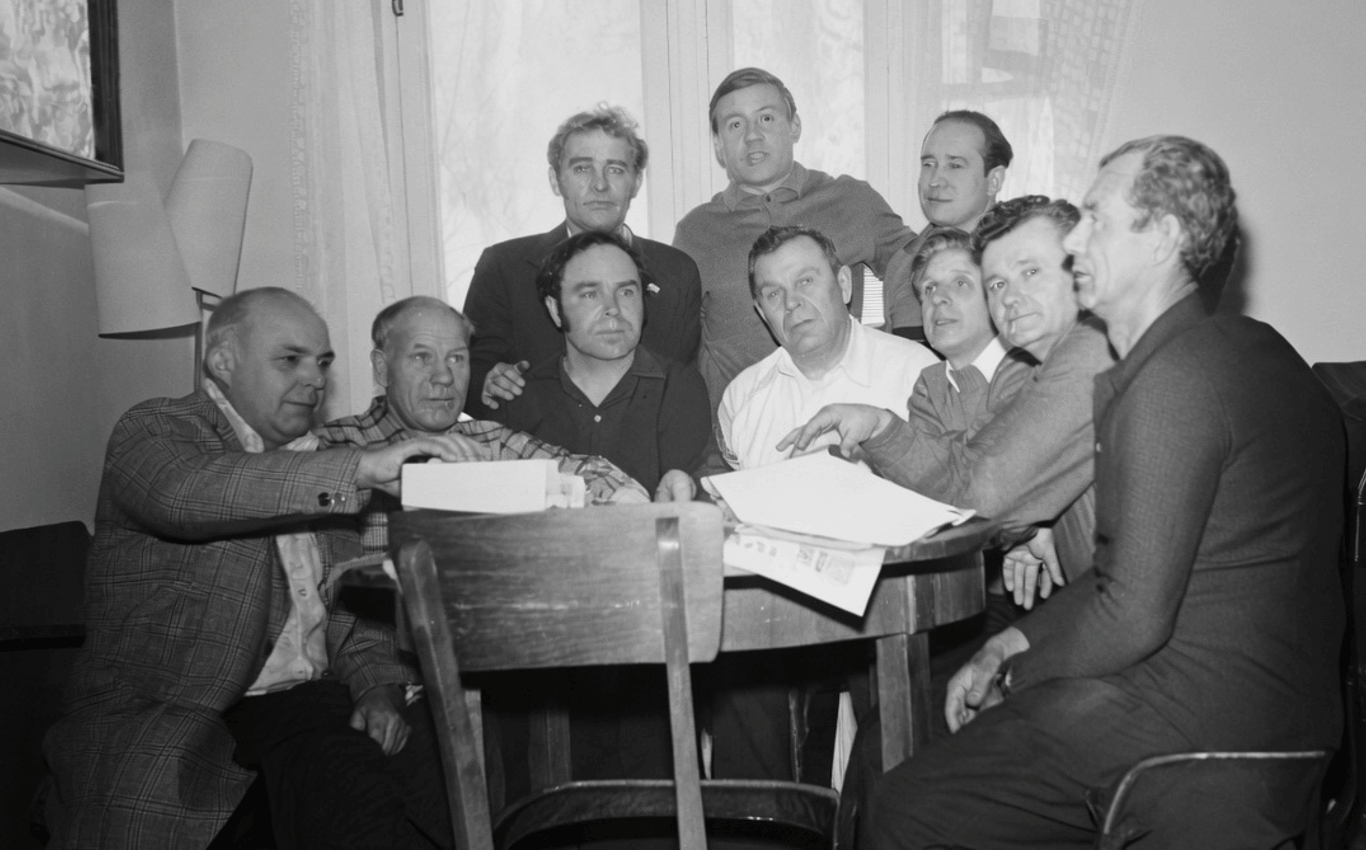
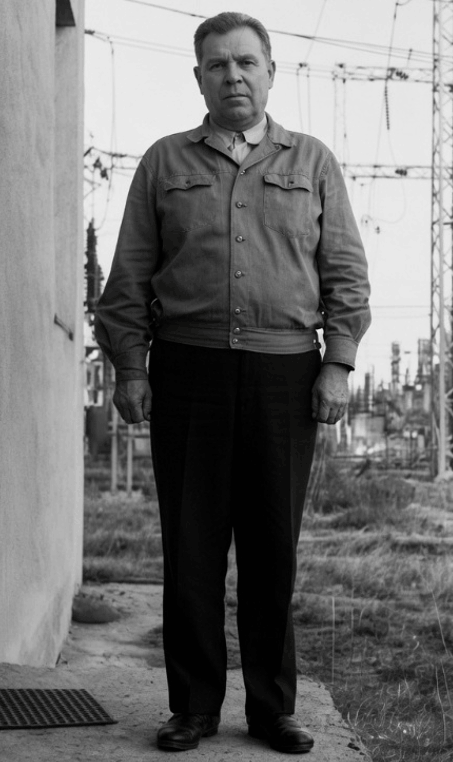 In 1964, the young and promising specialist was reminded of the need to continue his education. As Alexander Neverov recounts, “my father didn’t have much of a choice: either go study or give up his position”. But the problem back then was finding an educational institution in Almaty where one could get a heat engineering technician degree through a correspondence program. Therefore, Pyotr had to enroll in the Almaty Construction Technical School to study as an electrician.
“I remember how much he struggled with his studies, but in 1969, he defended his thesis and almost immediately received an offer from the GRES management to become the station’s shift supervisor”, says Alexander Petrovich, not without pride in his father. “It should be noted that this position, as a rule, is only held by electricians who have worked their way up through every role in the electrical department. But for him, a boilermaker, this was the first time such an offer had been made. And to this day, as far as I know, he is the only one in the station’s history to have been offered this post. My father passed all the exams on his first attempt and worked in that position until he retired. That’s when he gave us – his three sons – his advice: become electricians and nothing else!”
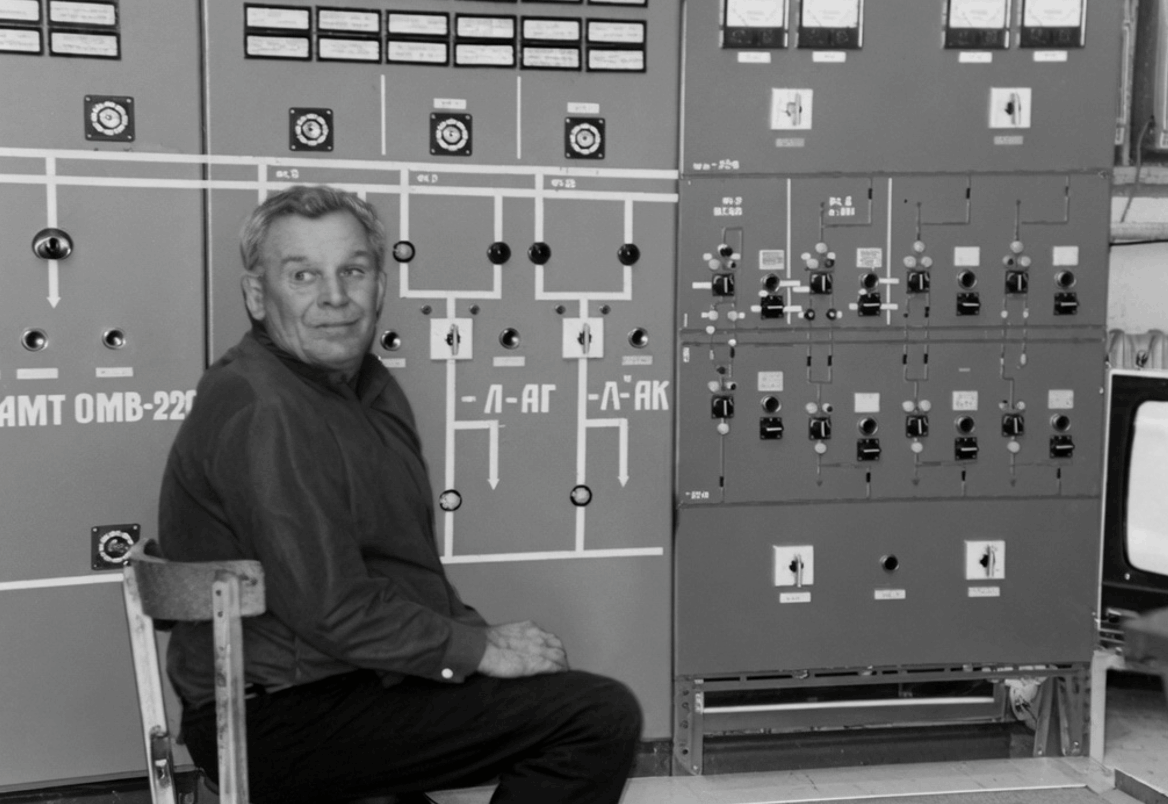
A professional and a highly qualified specialist, Pyotr Neverov continued to work even after retiring, serving as an electrician at Il RES for several more years in the 1990s. Those were difficult times: the economy was collapsing, ties were being severed, and the energy sector was in decline, with everything resting on the shoulders and responsibility of old-school specialists. It was only when the Almaty energy complex came under the management of the Belgian company Tractebel that Pyotr Neverov retired for good. To be more precise, he didn’t leave – he was let go. At that time, the Belgians, without any regard for the experience, knowledge, or skill of the specialists, gave a categorical order to dismiss all pensioners.
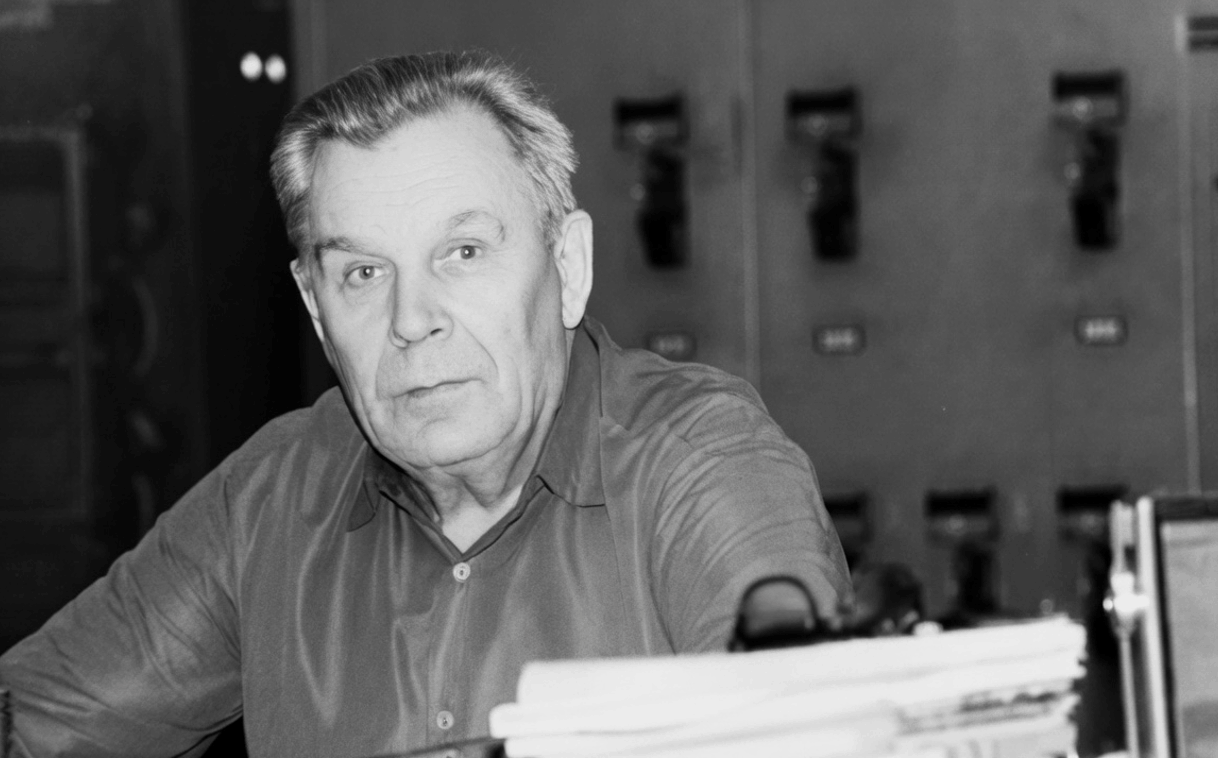
The Neverov dynasty is certain that he could have brought much more benefit to the company. However, he had already done a great deal for the GRES, working honestly and responsibly, and left behind a good name and a strong dynasty. His three sons, like their parents, chose a profession in the energy sector. And now, among the grandchildren, there are also successors to their work…