


Audit: Identifying strengths and areas for growth
From September 14 to 18, a scheduled internal audit of the corporate management system was conducted at AlES JSC. The auditors worked with both the management departments of the head office and the company’s production sites: B.Orazbayev TPP-1, A.Zhakutov TPP-2, and the Energoremont Production and Repair Enterprise.
The main objective of the audit was to assess how well existing processes meet established requirements, what is already working effectively, and where there are opportunities for improvement.
This year, the audit covered five areas of the corporate management system simultaneously: quality, environmental, occupational health and safety, energy, and anti-corruption management.
Particular attention was paid to how the requirements of international standards ISO 9001, ISO 14001, ISO 45001, ISO 50001, and ISO 37001 are applied not only in documents but also in the daily work of the departments. All five standards were verified as part of a single audit. This approach allows for a holistic view of the system and reduces the burden on the departments.
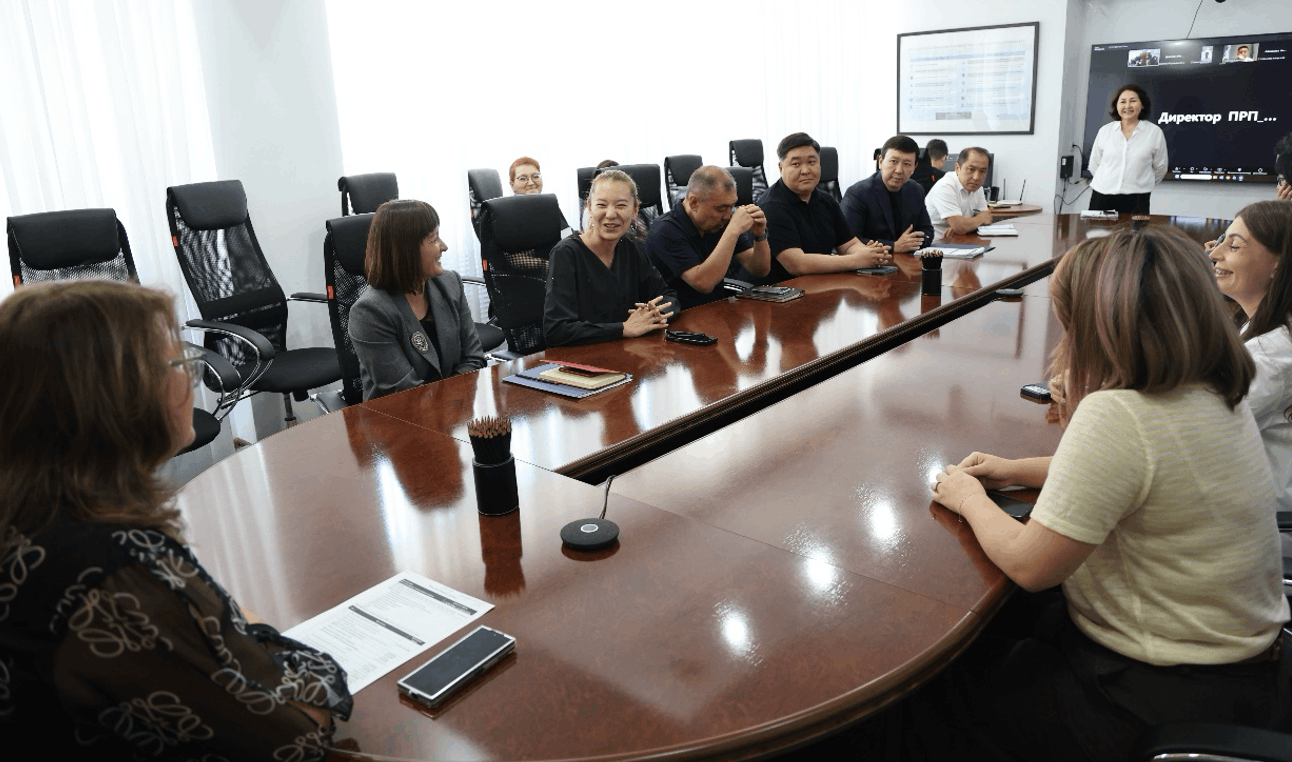
The audit was conducted according to the methodology of the ISO 19011 international standard. Auditors studied documents and process maps, interviewed employees, familiarized themselves with workplace organization, and observed production processes.
At the production sites, occupational safety issues, environmental requirements, the organization of repair work, equipment energy efficiency, personnel training, and compliance with established procedures were assessed.
– We record the findings, of course, but something else is more important to us: whether the system works in practice or only on paper. This is immediately apparent when you approach a person at their workplace, and they calmly explain what they are doing and why they are doing it that way, – says one of the auditors.
Internal audits provide an opportunity to see processes through the eyes of colleagues from other departments. It is precisely this professional outside perspective that often helps draw attention to details that have become routine in daily work.

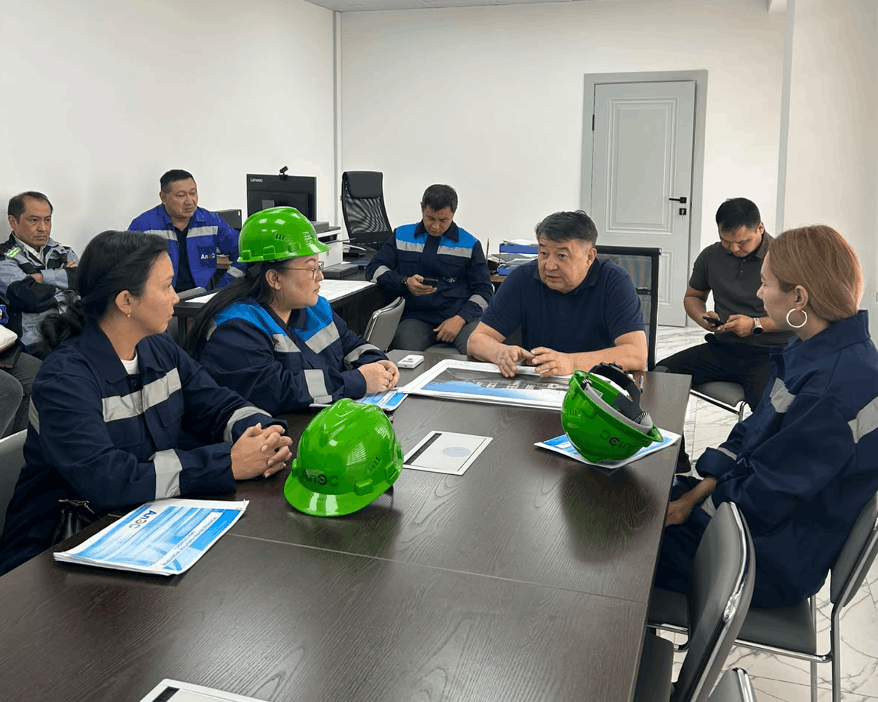 At the same time, an audit is not about finding someone to blame. Its primary task is to identify risks in a timely manner, see the system’s strengths, and find opportunities for improvement.
– Documents show how the process should be structured. But how it actually runs can only be understood on the spot, when you observe and talk to people. It is gratifying that the employees willingly communicated and know their tasks well, – shares another member of the audit team.
A final report is currently being prepared. It will highlight the strengths of the corporate management system, areas for improvement, and, if necessary, corrective actions.
Such work helps the company improve its processes not just from inspection to inspection, but continuously – enhancing safety, environmental responsibility, efficiency, and work quality.
This is the main purpose of an internal audit: to look at familiar processes with fresh eyes and understand what else can be improved.