


Cascade HPP – 2050: A Glimpse into the Future of Energy
What might the Cascade HPP look like in a quarter of a century? The company’s employees presented their vision for a future where artificial intelligence helps power engineers work more safely, accurately, and efficiently.
As part of the “Artificial Intelligence in Production” corporate challenge, the Cascade HPP team created a video showcasing how modern digital technologies could transform the operation of hydroelectric power plants by 2050.
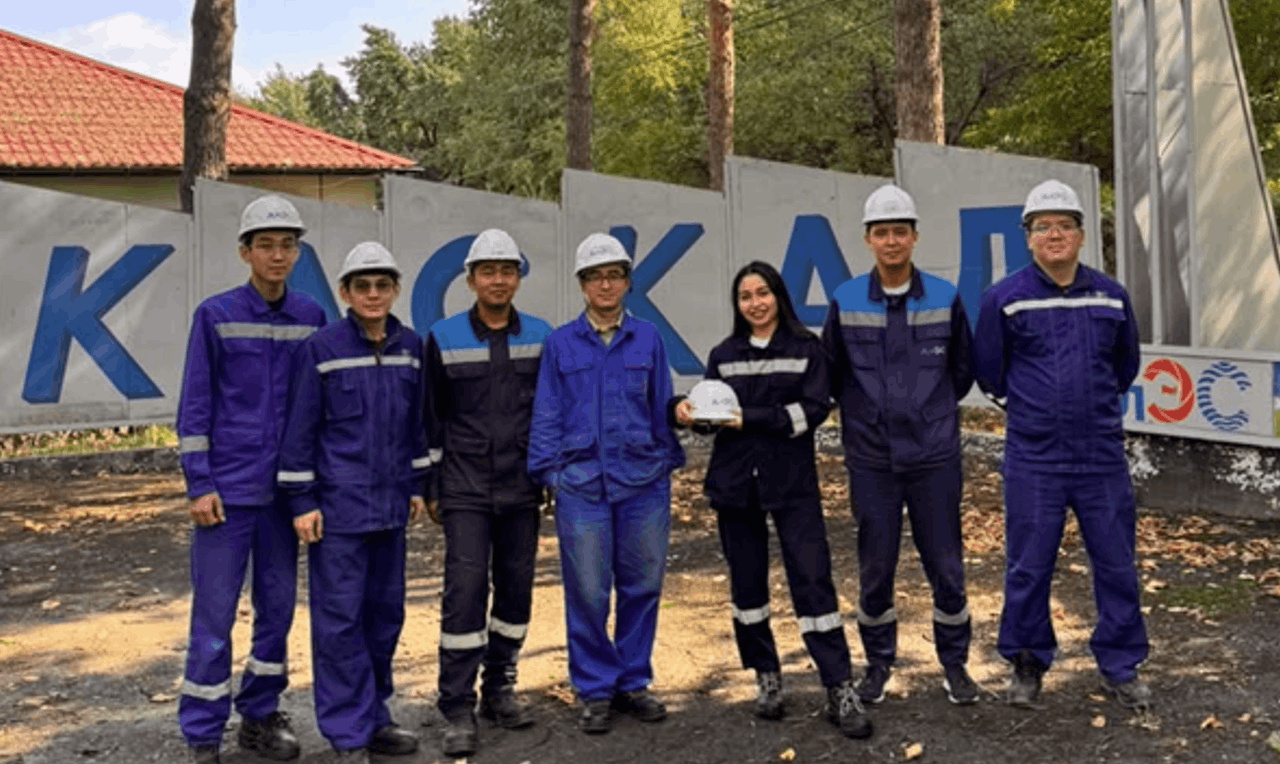
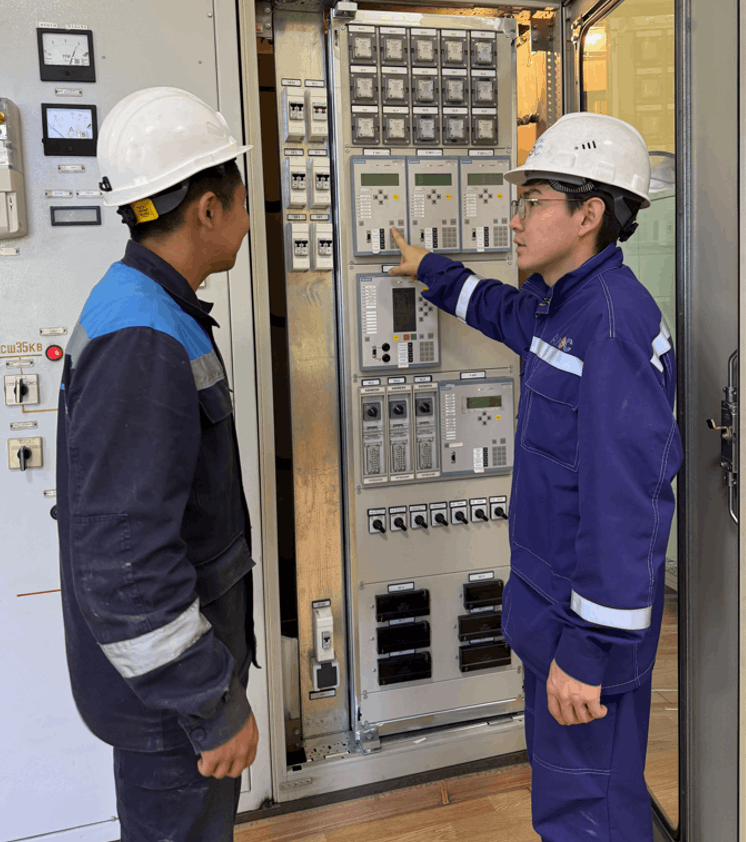 The story centers on smart helmets, digital twins of equipment, predictive diagnostics, and a unified digital control system for the Cascade’s power stations. The project’s authors aimed to present not a fantasy scenario, but a plausible evolution of technologies that are already gradually being introduced into the energy sector.
The concept and script for the video were developed by Aset Alibekov, Head of the CAIS at the Cascade HPP.
“We wanted to demonstrate these technologies not just for their own sake, but in terms of their practical benefits for power engineers. Artificial intelligence can help analyze information faster, monitor the condition of equipment, and make more precise decisions. However, the specialist always retains the key role,” noted Aset Alibekov.
Also contributing to the video’s creation were Karlen Zhumakhan, an RPA electrician; Alizhan Arystanbayev, an RPA engineer; Nazerke Akhmetova, a metrology engineer; and Sanzhar Sain, a senior industrial safety and labor protection inspector. The project combined the employees’ professional experience with their interest in new digital solutions.
According to Karlen Zhumakhan, participating in the challenge offered a new perspective on familiar production processes:
“We work with the equipment every day and have a good understanding of the tasks specialists face. So, it was interesting to imagine what technologies could make our work safer and more convenient in the future.”
The project participants place special importance on teamwork. As Nazerke Akhmetova notes, it was the joint discussions that helped make the concept more understandable and relevant to actual production:
“Each of us had our own vision of what the Cascade HPP of the future could be. We discussed ideas, built on each other’s contributions, and tried to present the technology in a way that kept the focus on the people and their work”.

The project participants are convinced that the development of artificial intelligence does not mean replacing specialists. Its purpose is to expand human capabilities, helping to process data faster, identify deviations in a timely manner, and improve the reliability of production processes.
It is this very interaction between people and technology that the Cascade HPP team sees as the foundation of the energy sector of the future.
Cascade HPP: the energy of water, the energy of technology, the energy of the future.