


Climate Tipping Points: 8 Processes That Could Change the Earth for Thousands of Years
Today, scientists believe that there isn’t one single global “red button” for the entire planet. Rather, the Earth is a system of many interconnected subsystems, each of which can have its own tipping point. The most alarming feature is that one tipping point can trigger another – this is called a cascade of climate tipping points.
Climate tipping point is a scientific term. It means the threshold after which a part of the climate system begins to change on its own due to internal processes, even if the external influence stops intensifying.
According to current estimates, there are approximately 16 to 25 major potential tipping points, depending on how different research groups group or separate various processes. They can be divided into several large categories.
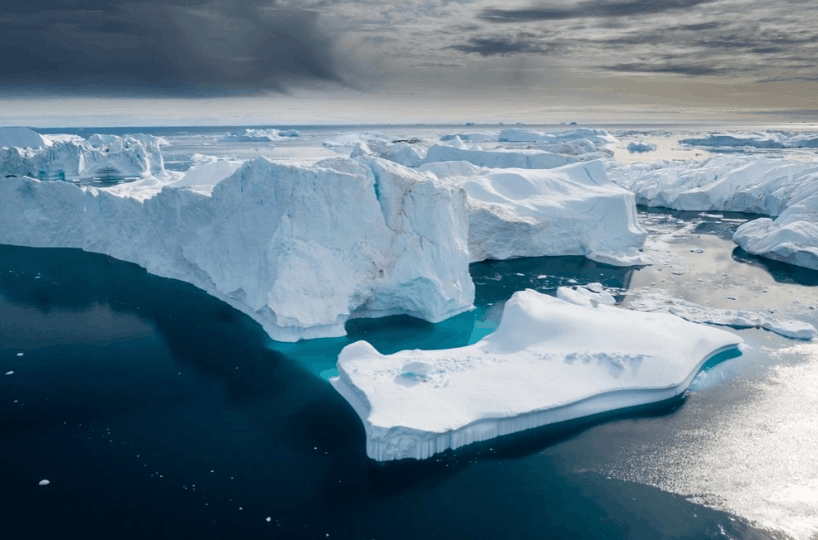 1. Ice Sheets The Greenland Ice Sheet. What is happening?
Ice reflects up to 80-90% of sunlight. When it melts, the dark surface of water or rock that is exposed absorbs much more energy.
This creates a positive feedback loop:
warming → less ice → less reflection → more heating → even less ice.
This is why the process can become self-sustaining.
Consequences
- a sea level rise of approximately 7 meters (if it melts completely);
- a change in the salinity of the North Atlantic;
- impact on ocean currents.
Complete melting will take hundreds or thousands of years, but a critical threshold could be reached much sooner.
The West Antarctic Ice Sheet
This ice sheet is particularly unstable.
Its base lies below sea level. Warm ocean water is gradually undermining the ice from below.
If the grounding line – where the ice meets the seabed – begins to retreat, the process can become self-sustaining.
Potential contribution to sea level rise: approximately 3-5 meters.
2. Arctic Sea Ice
The situation here is different.
Summer sea ice does not raise sea levels (it is already floating in the water).
But it acts as the Earth’s giant mirror.
If the Arctic becomes virtually ice-free in the summer:
- the ocean will begin to absorb much more solar heat;
- the Arctic will start to warm even faster;
- atmospheric circulation will change.
This is already affecting weather in the Northern Hemisphere.
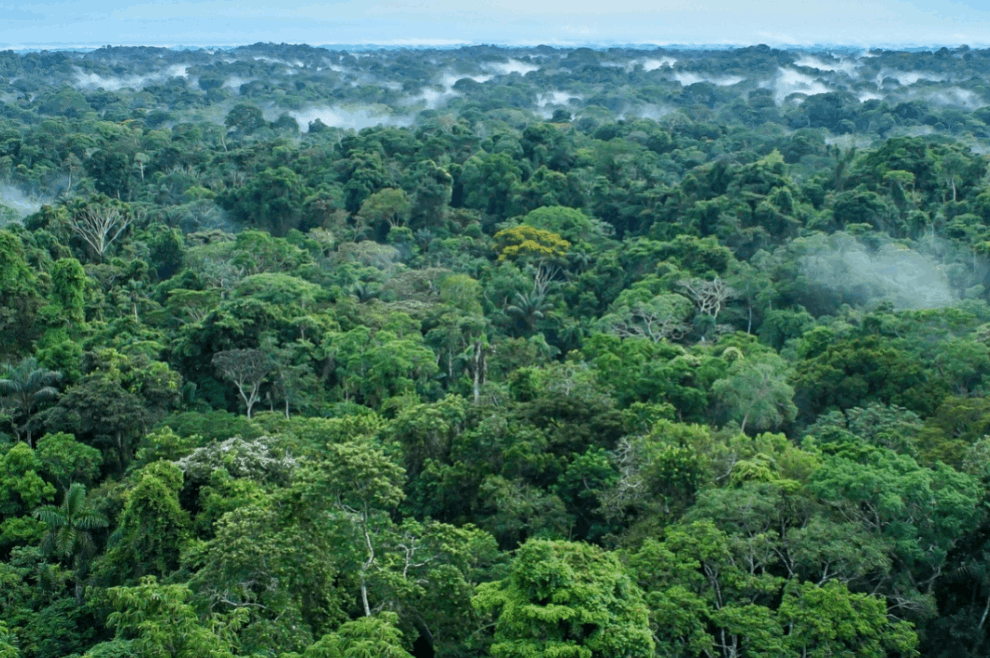 3. The Amazon Rainforest
The Amazon generates a significant portion of its own rainfall.
The pattern is as follows:
forest → moisture evaporation → clouds → rain → forest sustenance.
If too much of the forest is destroyed, there will not be enough forest to generate the usual amount of precipitation.
Then a feedback loop begins:
fewer trees → less rain → more fires → even less forest.
As a result, part of the Amazon could turn into a savanna.
The consequences: massive carbon emissions; the extinction of thousands of species; and climate change across all of South America.
4. Permafrost
There are colossal reserves of organic matter beneath the permafrost.
When the ground thaws, bacteria begin to decompose ancient plants.
This process releases carbon dioxide and methane.
Methane is particularly dangerous.
During the first 20 years after its release, it traps heat approximately 80 times more effectively than CO2 (although it then gradually breaks down).
This creates another feedback loop:
warming → thawing → methane release → additional warming.
5. Ocean Currents
The most well-known example is the Atlantic Meridional Overturning Circulation.
It transports a vast amount of heat from the tropics to the North Atlantic.
Thanks to this circulation, the climate in Western Europe is much milder than it otherwise would be.
If too much fresh water from melting ice enters the ocean:
- the water will become less dense;
- the sinking of cold water will weaken;
- the current may slow down significantly.
The consequences may include:
- changes in precipitation patterns;
- cooling in some regions of Europe;
- a shift in monsoons;
- changes to ocean ecosystems.
A complete shutdown in the 21st century is considered unlikely, but a weakening is already being observed.
6. Boreal Forests
This is the taiga: Canada, Siberia, Scandinavia.
Due to heat and wildfires, the forest may begin to die off faster than it can recover.
This leads to: reduced CO2 absorption, an increase in wildfires, and the release of additional carbon.
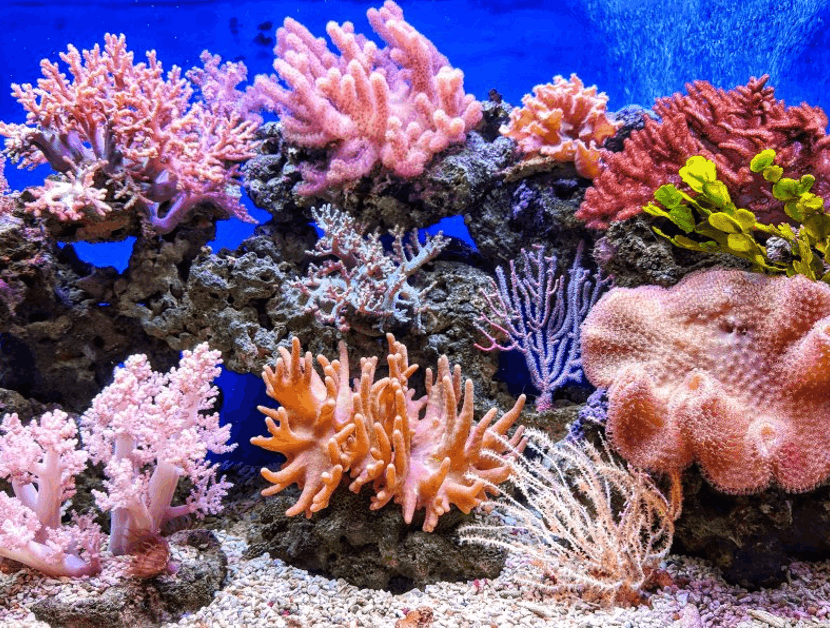 7. Coral Reefs
Corals live almost at the upper limit of their comfortable temperature range.
Prolonged overheating results in:
- loss of symbiotic algae;
- bleaching;
- mass die-off.
Even if a reef later partially recovers, its biodiversity may change significantly.
A Cascade of Tipping Points
The most alarming idea in modern climatology is that these processes can reinforce one another.
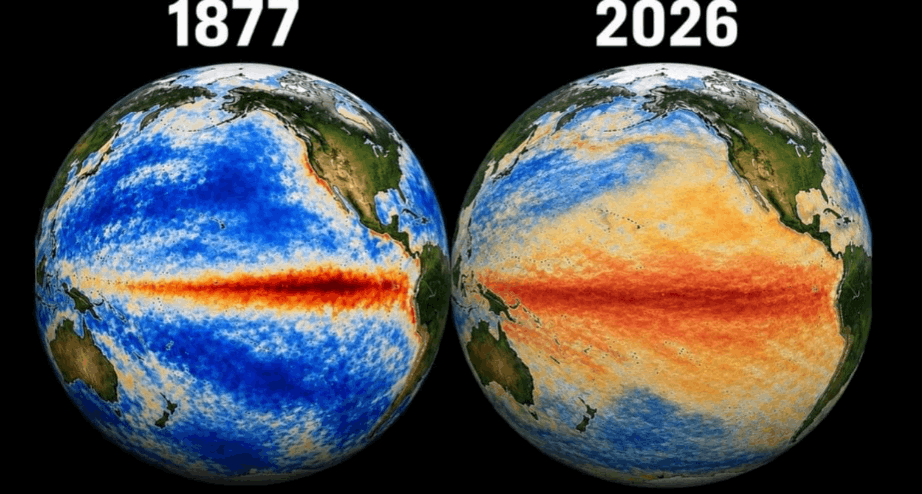 For example:
Warming
↓
Greenland’s ice melts
↓
Weakening of the AMOC
↓
Changes in rainfall patterns
↓
Drying of the Amazon
↓
Release of vast amounts of CO2
↓
Further warming
↓
Permafrost thaws
↓
Release of methane
↓
Even more rapid warming
This does not mean that such a scenario is inevitable, but it is precisely these kinds of chains that are a source of serious concern for scientists.
How close are we?
According to recent studies, with warming of around 1.5°C, the probability of crossing some tipping points becomes significant. At 2°C and above, the risk to several systems increases even further. This does not mean that changes will occur instantaneously after these temperatures are reached, but the likelihood of triggering irreversible processes increases.
It is important to understand that climate tipping points do not mean the “end of the world”. They describe the transition of individual components of the Earth’s system to a new stable state. Some of these changes may take centuries to develop, but their consequences can persist for millennia. Therefore, the goal of climate policy is to prevent the initiation of such processes wherever possible.